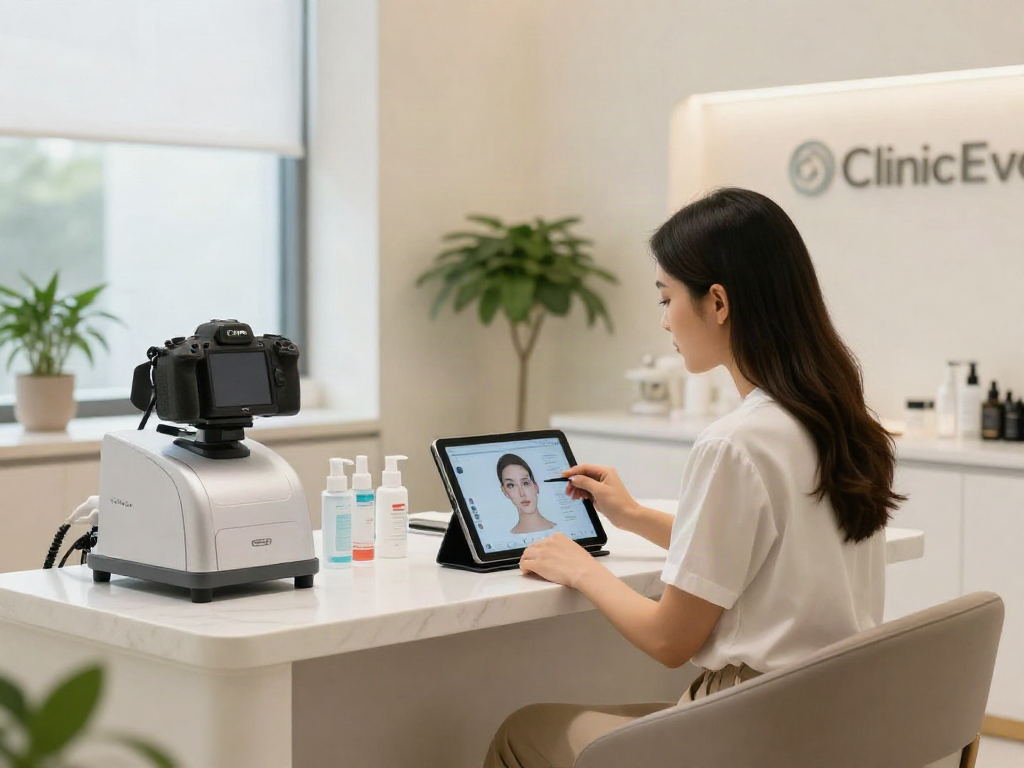
Understanding Facial Analysis Services
In today's digital age, facial analysis services have gained significant popularity, especially among individuals seeking to enhance their appearance through informed cosmetic decisions. However, with a plethora of options available, consumers may find themselves overwhelmed when trying to choose the right service tailored to their needs. Among the well-known options is QOVES, which offers an annual membership priced at $150. For those considering alternatives, options like Alternatives to QOVES provide equally intriguing features and pricing structures. This article aims to explore various facial analysis services available in 2026, detailing their functionalities, costs, and unique selling points to help users make informed decisions.
What are the Alternatives to QOVES?
As facial analysis tools evolve, several alternatives to QOVES have emerged. This section will shed light on five notable services that cater to individuals seeking beauty enhancement plans based on facial analysis:
- ClinicEvo: A monthly membership that combines AI-driven facial analysis with human review from trained aesthetics specialists. The service provides personalized EvoPlan™ reports.
- Umax: An iOS and Android application designed to rate a selfie with AI, providing immediate feedback on appearance and enhancement suggestions.
- LooksMax AI: This app focuses on giving users an AI attractiveness score along with grooming, skincare, and hairstyle recommendations.
- PrettyScale: A free web-based tool that offers users a beauty score based on automated calculations without the need for a subscription.
- FaceRate.ai: Another free website that scores faces out of ten using golden-ratio and symmetry evaluations, catering to those who want quick assessments.
How Facial Analysis Services Work
Facial analysis services typically use advanced AI algorithms to assess various facial features such as symmetry, proportions, and overall beauty scores. These algorithms consider numerous factors and compare the results against established beauty standards. Users can upload their selfies, and within a few moments to a few days, they receive a detailed report or score suggesting improvements, personalized plans, or beauty enhancement techniques. The divergence lies in whether the analysis is reviewed by trained professionals or is purely automated.
Comparative Cost Analysis
Pricing Breakdown of Alternatives to QOVES
Cost is a critical factor when evaluating facial analysis services. Here’s a breakdown of the prices associated with the alternatives mentioned above:
- ClinicEvo: $12 per month, translating to approximately $144 annually.
- Umax: Typically offers in-app purchases; may require a subscription for full features.
- LooksMax AI: Pricing varies; often includes a freemium model where basic features are available for free.
- PrettyScale: Completely free to use, making it an accessible option for all.
- FaceRate.ai: Also a free service that provides instant feedback without costs.
Value for Money: What You Get for Your Investment
When comparing the services, it’s essential to differentiate between what constitutes value for money. For instance, ClinicEvo's monthly membership includes a professionally reviewed report, which can justify the cost when compared to free apps like PrettyScale and FaceRate.ai, which only offer a score without detailed action plans. Users need to weigh the comprehensiveness of the service against their budget and desired outcomes.
Long-term Costs vs. Short-term Savings
While a service like PrettyScale may save you money in the short term, it lacks the personalized approach of ClinicEvo. Alternatively, a consistent monthly investment in a service that provides a detailed analysis and guided action plan can lead to better results in the long run. Users must consider their aesthetic goals and the potential long-term benefits of a more thorough, professional service versus quick, free evaluations.
User Experience and Technology
AI in Facial Analysis: The Technology Behind Alternatives to QOVES
AI technology plays a crucial role in facial analysis services, utilizing machine learning algorithms to assess facial features quickly and accurately. Services like Umax and LooksMax AI employ facial recognition technology to analyze selfies and generate feedback based on vast datasets. The accuracy and reliability of these tools have improved significantly, offering a level of insight that was previously unattainable.
Human Review vs. Automated Scores
One key consideration when choosing a facial analysis service is whether the reports are reviewed by trained professionals. Services like ClinicEvo ensure that each report is not only generated by AI but also evaluated by aesthetic specialists, providing a balance of technology and human touch. Conversely, instant-score apps may deliver results faster but lack the nuance and tailored feedback that a professional review offers.
App Usability and Engagement
User experience is paramount in ensuring engagement and satisfaction with facial analysis services. The usability of mobile applications like Umax and LooksMax AI is often a determinant in their popularity. A well-designed interface that allows users to easily upload photos, navigate features, and understand feedback can significantly enhance user engagement and satisfaction.
Real Results: User Testimonials and Case Studies
Success Stories: Positive Outcomes from Users
Many users have reported remarkable transformations after utilizing these facial analysis services. Success stories often highlight how receiving personalized feedback from ClinicEvo led to specific actionable insights, resulting in noticeable improvements in their appearance.
What Users Say about Alternatives to QOVES
Feedback on alternatives to QOVES varies significantly. While some users appreciate the instant results from free services like PrettyScale, others lament the lack of depth and actionable advice. In contrast, users of ClinicEvo often commend the thoroughness of the reports and the constructive feedback from trained specialists.
Challenges Faced by Users and How They Overcame Them
Despite the benefits of these services, users have encountered challenges, such as understanding complex terminology in reports or, conversely, the simplicity of automated scores that lack detail. Many have overcome these hurdles by seeking additional information or consulting with professionals to interpret their results effectively.
Future Trends in Facial Analysis
What to Expect in 2026 and Beyond
The future of facial analysis services looks promising, with technological advancements expected to make these tools even more user-friendly and insightful. Innovations may include more robust AI models that provide deeper insights into skin conditions, aging, and personalized skincare regimens.
Innovations in Beauty Technology
Advancements in augmented reality (AR) and virtual reality (VR) could revolutionize the industry, allowing users to visualize potential changes before committing to cosmetic procedures. This immersive experience may lead to higher satisfaction rates and better-informed decisions among users.
Staying Ahead: How to Choose the Best Service
When selecting a facial analysis service, it's essential to consider several factors: the comprehensiveness of the reports, whether human expertise backs the findings, and user testimonials regarding their experiences. Staying informed about the latest technology and services can also aid users in finding the best option that aligns with their goals and budget.