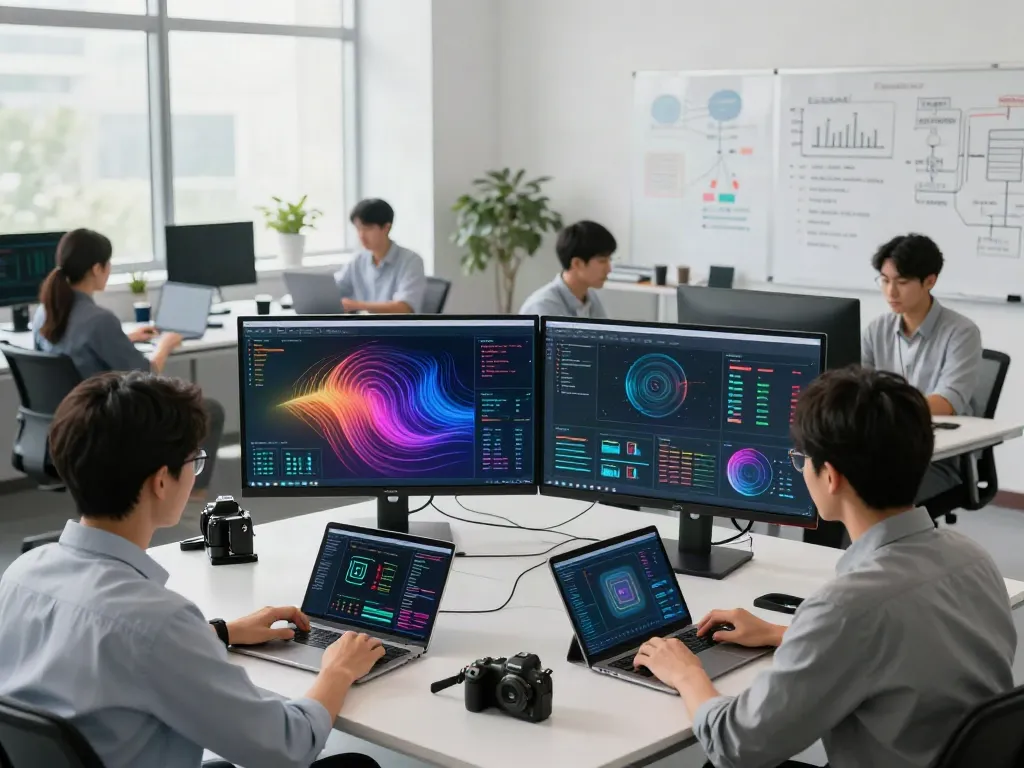
Understanding GPU Computing and Its Significance
In the rapidly evolving landscape of artificial intelligence (AI), GPU computing has emerged as a cornerstone technology, enabling complex computations at unprecedented speeds. GPUs, or Graphics Processing Units, have transitioned from rendering graphics to becoming essential for a variety of applications, particularly in AI and machine learning. When exploring options, GPU computing provides comprehensive insights into how these powerful processors can significantly enhance performance and efficiency in processing large datasets.
What Is GPU Computing?
GPU computing refers to the use of Graphics Processing Units to perform computation-intensive tasks that traditionally have been handled by the Central Processing Unit (CPU). Unlike CPUs that are optimized for sequential processing, GPUs are designed for parallel processing, enabling them to handle thousands of threads simultaneously. This architecture makes GPUs particularly effective for tasks such as deep learning, data mining, and scientific simulations.
The Evolution of GPU Technology
The evolution of GPU technology began in the late 1990s when GPUs were primarily used for rendering 2D and 3D graphics. Over the years, as applications required greater computational power, GPUs were adapted for general-purpose computing. This shift was catalyzed by the introduction of programming models such as CUDA (Compute Unified Device Architecture) by NVIDIA, which allowed developers to leverage the parallel processing capabilities of GPUs for diverse applications beyond graphics.
Why Choose GPU Over CPU for AI Tasks?
Choosing GPU computing over traditional CPU computing for AI tasks is driven by several key advantages:
- Parallel Processing: GPUs can process multiple computations at once, significantly speeding up training and inference times for machine learning models.
- Performance: For large-scale data processing, GPUs outperform CPUs, enabling real-time analytics and faster model training.
- Energy Efficiency: With specialized architectures for AI workloads, GPUs often provide better performance per watt, making them more cost-effective for large-scale operations.
Key Features to Look for in GPU Computing Solutions
Performance Metrics and Speed
When evaluating GPU computing solutions, performance metrics such as throughput, latency, and processing speed are crucial. Users should consider specifications such as the number of cores, clock speed, and memory bandwidth, as these factors can significantly impact the performance of AI workloads.
Scalability and Customization Options
Scalability is vital for businesses ramping up their AI capabilities. Solutions should allow for increased workloads without compromising performance. Additionally, customization options help organizations tailor GPU configurations to their specific needs, optimizing resource utilization and cost management.
Energy Efficiency in Data Centers
As environmental considerations become more prominent, energy efficiency has gained an essential role in GPU computing choices. Efficient cooling systems, power management features, and low-energy consumption profiles are factors that can lead to significant cost savings in data centers.
Common Challenges in GPU Computing
Understanding the Costs and ROI
Investing in GPU computing involves various costs, including hardware, software licenses, and operational expenses. Organizations must evaluate the total cost of ownership and potential return on investment (ROI) by considering factors such as increased throughput, reduced processing times, and lower energy costs.
Managing Heat and Power Consumption
High-performance GPUs generate considerable heat, necessitating effective cooling solutions to maintain operational efficiency. Organizations should implement thermal management strategies to prevent overheating, which can lead to hardware damage and performance degradation.
Overcoming Software Compatibility Issues
Compatibility between software frameworks and GPU architectures can pose a challenge. Organizations should ensure that their AI software tools are optimized for the specific GPU models they intend to use, which may require updates or adjustments to existing applications.
Best Practices for Implementing GPU Computing
Choosing the Right Infrastructure Setup
A well-planned infrastructure setup is essential for maximizing the benefits of GPU computing. Organizations must evaluate their existing infrastructure and consider implementing dedicated GPU clusters or utilizing cloud-based GPU resources for flexibility and scalability.
Optimizing Workloads for GPU Performance
To harness the full potential of GPU computing, it's critical to optimize workloads by structuring data and algorithms that effectively utilize parallel processing capabilities. This may involve rewriting code or leveraging machine learning frameworks that support GPU acceleration.
Monitoring and Maintenance Strategies
Implementing regular monitoring and maintenance of GPU systems ensures optimal performance. Organizations should adopt proactive monitoring tools to track performance metrics, identify potential issues, and schedule maintenance before minor problems escalate into major failures.
The Future of GPU Computing in AI
Emerging Trends and Technologies for 2026
The future of GPU computing in AI is poised for exciting advancements. Technologies such as tensor processing units (TPUs) and improvements in AI model efficiency will continue to enhance the capabilities of GPU computing in complex AI tasks.
Industry Predictions for GPU Applications
As industries increasingly adopt AI technologies, the demand for GPU computing will surge. Predictions indicate that sectors like healthcare, automotive, and finance will heavily rely on GPUs for real-time data analysis, autonomous systems, and fraud detection.
How to Stay Ahead in the GPU Computing Market
To remain competitive in the GPU computing landscape, organizations should stay abreast of technological advancements, invest in training for their teams, and adopt innovative solutions that leverage AI trends. Continuous investment in R&D will be essential to adapt to the dynamic market and evolving AI applications.
What Are AI Infrastructure Power Plans?
AI Infrastructure Power Plans are structured offerings designed to facilitate participation in the energy-intensive operations of AI factories. These plans provide a mechanism for individuals and organizations to support the electricity needed for GPU computing and AI workloads without the need to manage physical infrastructure themselves.
How are Contribution Rewards Calculated?
Contribution rewards are calculated based on the electricity supported by an individual's or organization's plan and the performance of AI workloads. Each settlement period documents the energy consumed and tokens processed, with rewards determined by the verified power contributions made through active participation.
What Happens When My Plan Ends?
At the conclusion of an AI Infrastructure Power Plan, the system will finalize all reward calculations based on the recorded contributions. Individuals can then choose to renew their plan or select a different option based on their energy needs and GPU computing requirements.