Understanding Integrated Modular Systems
In an era where efficiency and sustainability are paramount, industries are increasingly turning to Integrated Modular Systems (IMS) for streamlined solutions. These systems present a transformative approach, particularly in water treatment frameworks. A modular approach allows for flexibility and scalability, making it easier to adapt to varying operational needs and environmental conditions. For a comprehensive understanding of Integrated Modular Systems and their applications, Integrated Modular Systems offer invaluable insights into this innovative technology.
What Are Integrated Modular Systems?
Integrated Modular Systems encompass a cohesive collection of modular components designed to function seamlessly as a unit. These systems can be applied across numerous industries, including water treatment, construction, and energy management. The primary concept revolves around modularity, where each module can be independently designed, utilized, or expanded, allowing for greater customization and adaptability.
Key Components of Integrated Modular Systems
The core components of Integrated Modular Systems typically include:
- Modular Design: Individual modules can be added or removed according to specific needs.
- Interconnectivity: Modules communicate and operate together, often through standardized interfaces.
- Efficiency: Optimized for energy and resource use, minimizing waste and improving performance.
- Scalability: Easy to scale up or down based on demand or operational changes.
Benefits Over Traditional Water Treatment Solutions
The transition from traditional water treatment methods to Integrated Modular Systems provides several advantages:
- Cost-Effectiveness: Reduced initial investment and maintenance costs due to efficient design.
- Enhanced Flexibility: Facilities can quickly adapt their systems to meet changing regulations or operational requirements.
- Rapid Implementation: Modular systems can often be deployed faster than traditional solutions, reducing downtime.
- Improved Performance: Integration of advanced technologies leads to higher efficiency and effectiveness in treatment processes.
Core Offerings of QILEE's Integrated Modular Systems
Integrated Membrane Water Treatment Systems
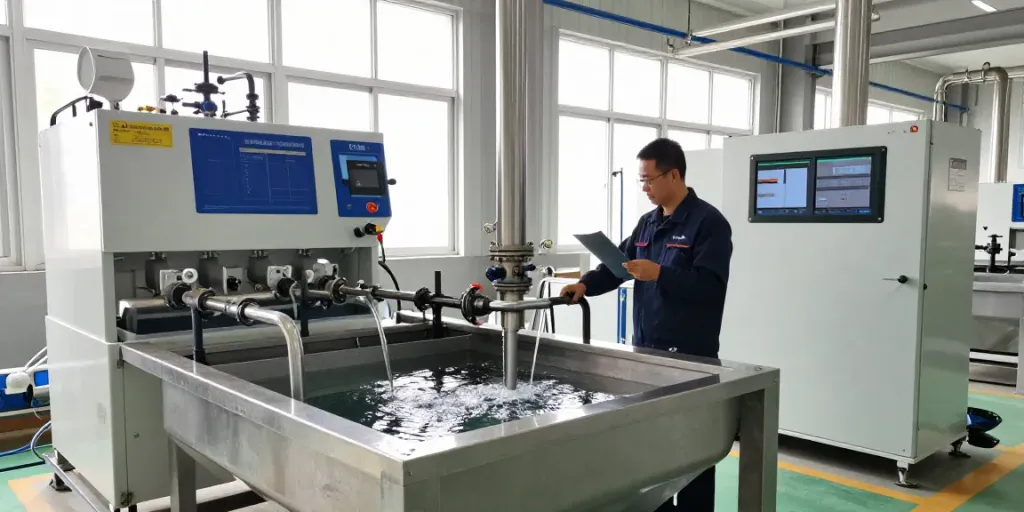
QILEE’s Integrated Membrane Water Treatment Systems utilize advanced filtration technologies to remove contaminants from water. These systems are particularly beneficial in industrial applications where high purity is required. The modular configuration allows for easy upgrades and maintenance, ensuring optimal performance over the system's lifecycle.
Chemical Treatment Systems
Chemical treatment systems are essential for water purification, especially in municipal settings. QILEE designs these systems to integrate seamlessly with existing infrastructure while providing consistent chemical dosing and monitoring capabilities. This ensures maximum efficiency in removing harmful substances from water supplies.
DAF Integrated Treatment Systems
The Dissolved Air Flotation (DAF) Integrated Treatment System stands out for its effectiveness in treating wastewater containing suspended solids. By combining chemical dosing with sludge dewatering systems, QILEE offers a compact yet powerful solution tailored for municipal and industrial applications. This system is designed to handle wastewater where precipitation is weak, ensuring reliable operation even in challenging conditions.
Applications of Integrated Modular Systems
Industrial Water Treatment
Industries such as manufacturing, pharmaceuticals, and food production require stringent water quality standards. Integrated Modular Systems are designed to meet these standards by providing continuous, high-quality water treatment solutions tailored to specific industrial needs. The ability to customize these systems is key to their success in diverse industrial applications.
Municipal Water Systems
Municipalities face increasing pressure to provide safe and clean drinking water. Integrated Modular Systems can be deployed to enhance existing water treatment facilities or to create new ones faster and more efficiently. With modular configurations, these systems allow municipalities to respond effectively to population growth and regulatory changes.
Wastewater Management Solutions
Effective wastewater management is critical to environmental sustainability. Integrated Modular Systems enable the treatment of wastewater through processes that are both efficient and cost-effective. By using advanced technologies such as membrane filtration and DAF systems, these solutions can significantly reduce the environmental impact of wastewater discharge.
Cost-Benefit Analysis of Integrated Modular Systems
Initial Investment vs Long-Term Savings
While the initial investment in Integrated Modular Systems may seem higher than traditional systems, the long-term savings are substantial. Reduced operational costs, lower maintenance expenses, and the ability to scale operations effectively contribute to a lower total cost of ownership. Furthermore, energy savings often translate into reduced utility bills, offering financial respite over time.
Maintenance Considerations for Optimal Performance
Regular maintenance is essential for the longevity and efficiency of Integrated Modular Systems. Operators should establish robust maintenance protocols that include periodic inspections, replacement of worn components, and performance assessments to ensure the system operates at peak efficiency.
Improving Efficiency and Reducing Downtime
By leveraging the modular nature of these systems, businesses can perform upgrades or repairs on specific modules without shutting down entire operations. This flexibility minimizes downtime and enhances overall productivity, making Integrated Modular Systems a smart choice for any operation.
Future Trends in Integrated Modular Systems for 2026
Emerging Technologies in Water Treatment
As technology advances, the water treatment industry is seeing a surge in innovations that enhance the performance of Integrated Modular Systems. Techniques such as artificial intelligence and machine learning are being integrated to optimize processes, predict maintenance needs, and manage resources efficiently.
Regulatory Changes Impacting Modular Systems
With increasing environmental regulations, the demand for efficient and compliant water treatment solutions will continue to grow. Integrated Modular Systems can adapt to these changes, making them well-suited to meet future regulatory demands.
Innovative Designs and Sustainability Practices
Sustainability remains a key focus area for many industries. The design of Integrated Modular Systems is evolving to include more recycled materials and energy-efficient components, reflecting a commitment to environmental stewardship.
How Do Integrated Modular Systems Enhance Efficiency?
By allowing for real-time monitoring and management of various treatment processes, Integrated Modular Systems enhance operational efficiency. The ability to customize and scale systems ensures they meet the precise needs of operations while optimizing performance.
What Industries Benefit Most from Modular Systems?
Industries such as pharmaceuticals, food and beverage, and municipal water treatment are among those that benefit significantly from Integrated Modular Systems. The need for adaptable and efficient water treatment solutions makes these systems ideal for a variety of applications.
What Are the Common Misconceptions About Modular Systems?
One common misconception is that modular systems lack the robustness of traditional systems. In reality, when designed and implemented correctly, Integrated Modular Systems can offer superior performance and reliability while being more adaptable to changing needs.
How to Choose the Right Modular System for Your Needs?
Choosing the right modular system involves assessing your specific requirements, including space, expected water quality, flow rate, and regulatory compliance. Consulting with a manufacturer like QILEE can help guide this decision-making process.
What Are the Key Maintenance Tips for Modular Systems?
To maximize the efficiency and lifespan of Integrated Modular Systems, consider the following maintenance tips:
- Regularly inspect modules for wear and tear.
- Monitor system performance and adjust as necessary.
- Maintain proper chemical dosing to prevent system imbalances.
- Document all maintenance activities for tracking and improvement purposes.