Understanding Bed Bug Heat Treatment
What is Bed Bug Heat Treatment?
Bed bug heat treatment is an effective method for eliminating bed bugs by raising the temperature in an infested area to a level that is lethal to these pests. This technique typically involves heating the affected space to around 120°F to 135°F (approximately 49°C to 57°C). As the temperature increases, all life stages of bed bugs—including eggs, nymphs, and adults—are effectively killed. The heat penetrates into fabrics, walls, and furnishings, ensuring comprehensive coverage. Unlike chemical treatments, heat treatment does not leave behind toxic residues, making it a more environmentally friendly option. For detailed information on implementing heat treatment effectively, you may want to explore bed bug heat treatment services.
Advantages of Heat Treatment
The benefits of utilizing heat treatment for bed bugs are numerous. Firstly, heat treatment can destroy bed bugs at all life stages, which other methods may fail to achieve. It is known for its quick application; often, a single treatment session can resolve a severe infestation within a few hours. Additionally, heat treatment reduces the likelihood of bed bugs developing resistance, which is a frequent issue with chemical pesticides. Furthermore, this method is non-invasive and avoids the need to remove furniture, clothing, or equipment from the site, making it less disruptive for those affected.
Common Misconceptions
Despite its effectiveness, there are several misconceptions surrounding heat treatment. One common myth is that heat treatment is unsafe; however, when performed by trained professionals, it poses minimal risk. Another misconception is that heat treatment is not effective on lower life stages of bed bugs. In reality, the heat penetrates thoroughly enough to ensure that eggs, nymphs, and adults are all exterminated. Additionally, people often believe that DIY heat treatment is sufficient, which can lead to ineffective results if not done under proper guidance.
Preparing for Bed Bug Heat Treatment
Assessing Infestation Levels
Before commencing heat treatment, properly assessing the level of infestation is critical. This process involves a thorough inspection of the infested area to identify all potential hiding spots, such as mattress seams, baseboards, and furniture crevices. The presence of live bed bugs, fecal stains, and shed skins can indicate the severity of the infestation. Understanding the extent of the problem will aid in determining the appropriate measures and equipment necessary for effective heat treatment.
Preparing Your Home
Preparing your home for heat treatment involves several steps to ensure maximum efficiency. Start by removing all items from the treatment area and ensuring that heat can circulate freely. This may include clearing clutter and relocating furniture away from walls. Additionally, wash and seal bedding, curtains, and clothing in plastic bags to prevent any potential re-infestation once the treatment is completed. It is also advisable to inform residents about the upcoming treatment and its requirements.
Choosing the Right Equipment
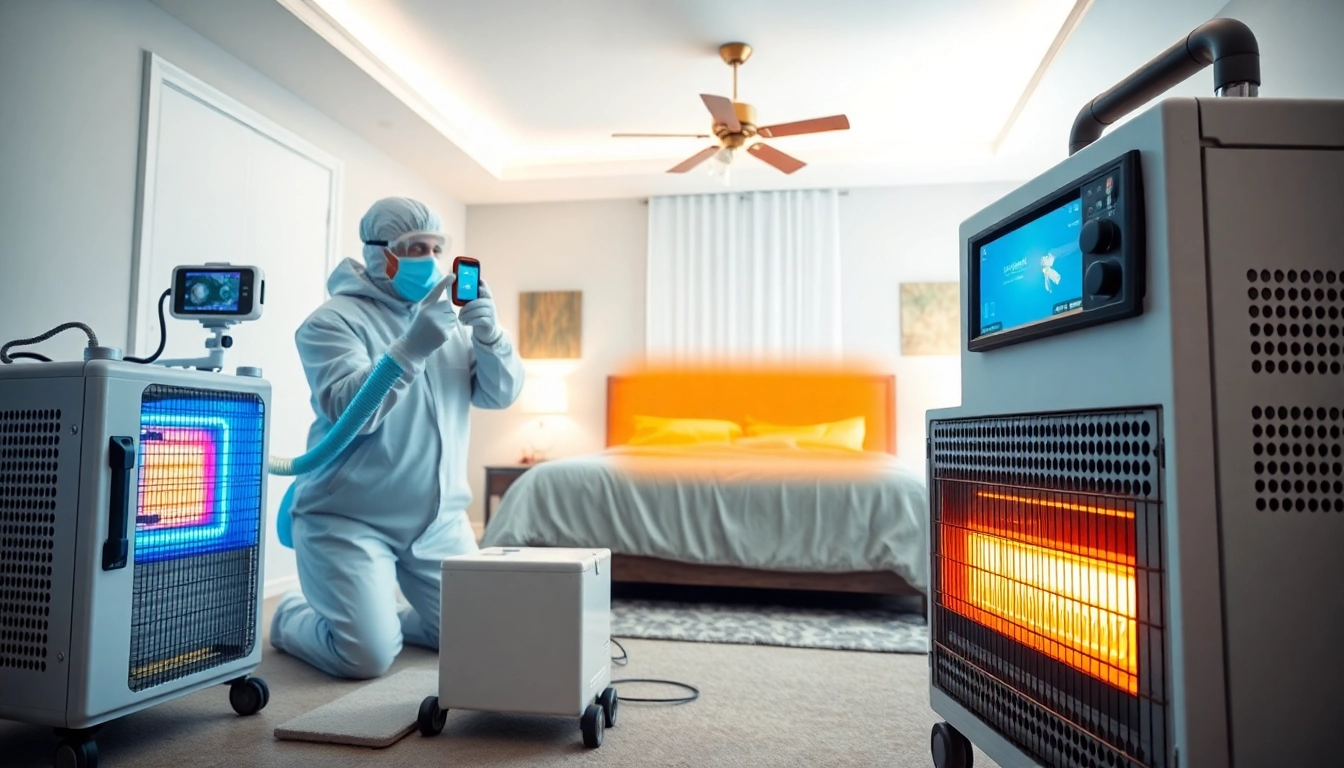
Selecting the appropriate equipment is crucial for effective heat treatment. Commercial-grade heaters specifically designed for bed bug eradication are recommended, as they can achieve and maintain lethal temperatures efficiently. Factors to consider include the size of the treatment area and the duration of heating required. It is best to consult with professionals who possess experience and can provide recommendations on the most effective heating systems.
The Heat Treatment Process
Achieving the Right Temperature
Effectively achieving the right temperature is a pivotal aspect of the heat treatment process. Most experts agree that temperatures should be maintained between 120°F and 135°F for optimal results. Thermocouples and other monitoring devices are utilized to track temperature changes in multiple locations throughout the treatment area. It is essential to keep the ambient temperature consistent for long enough to ensure that all bed bugs are eradicated, which typically requires maintaining these temperatures for at least 3 to 5 hours.
Duration of Treatment
The duration of bed bug heat treatment can vary based on the level of infestation and the effectiveness of the equipment used. Generally, treatments last anywhere from 6 to 8 hours. During this period, it is crucial to monitor temperatures continuously and make adjustments as necessary. Following this timeframe, a cooldown period is also required to allow the area to return to a safe temperature for occupancy.
Safety Measures During Treatment
Safety measures are paramount during heat treatment to avoid potential hazards. Before heating begins, all flammable materials must be removed from the area. The heating equipment should be placed according to guidelines to prevent overheating or damage to furnishings. Additionally, it is imperative for residents and pets to leave the premises during the treatment process to ensure their safety. Professionals should also employ advanced temperature monitoring systems to maintain control over the heating process and prevent overheating.
Post-Treatment Care
Ensuring Complete Bed Bug Elimination
After the heat treatment, thorough inspections should be conducted to ensure that all bed bugs have been eradicated. Regular monitoring for any signs of bed bugs is advised in the weeks following the treatment. If bed bugs are detected, additional treatment may be necessary. Follow-up treatments should be carried out with a focus not only on heat but also on other methods to reinforce the elimination.
Monitoring for Reinfestation
Monitoring for reinfestation is a critical step after completing a heat treatment. It is essential to check personal items, luggage, and furniture for any signs of renewed activity. Utilize bed bug monitors, traps, and regular inspections of common hiding spots to ensure that any potential re-infestation is caught early. Staying vigilant reduces the chances of a new outbreak occurring.
Best Practices for Prevention
Implementing best practices for prevention can help mitigate the risk of future bed bug infestations. Guidelines include regularly washing bedding and clothing, utilizing mattress and pillow encasements, and maintaining a clutter-free environment. During travel, always inspect hotel rooms for signs of bed bugs and keep luggage off the ground. Educating yourself and others on how to recognize bed bugs can also play a significant role in prevention.
FAQs about Bed Bug Heat Treatment
What is the ideal temperature for effective heat treatment?
The ideal temperature for effective heat treatment is between 120°F and 135°F. This temperature range is lethal to all life stages of bed bugs.
How long does the treatment process usually take?
The treatment process usually takes around 6 to 8 hours. This includes maintaining lethal temperatures for at least 3 to 5 hours for optimal effectiveness.
Are there any safety concerns I should be aware of?
Safety concerns during heat treatment include removing flammable materials and ensuring that residents and pets vacate the area. Monitoring systems should be in place to prevent overheating.
How do I know if the treatment was successful?
The success of the treatment can be determined through follow-up inspections, monitoring for signs of new activity, and ensuring no bed bugs are present for several weeks.
What other methods can complement heat treatment?
Other methods that can complement heat treatment include chemical treatments, vacuuming, and the use of bed bug traps and monitors to reinforce elimination and prevent reinfestation.