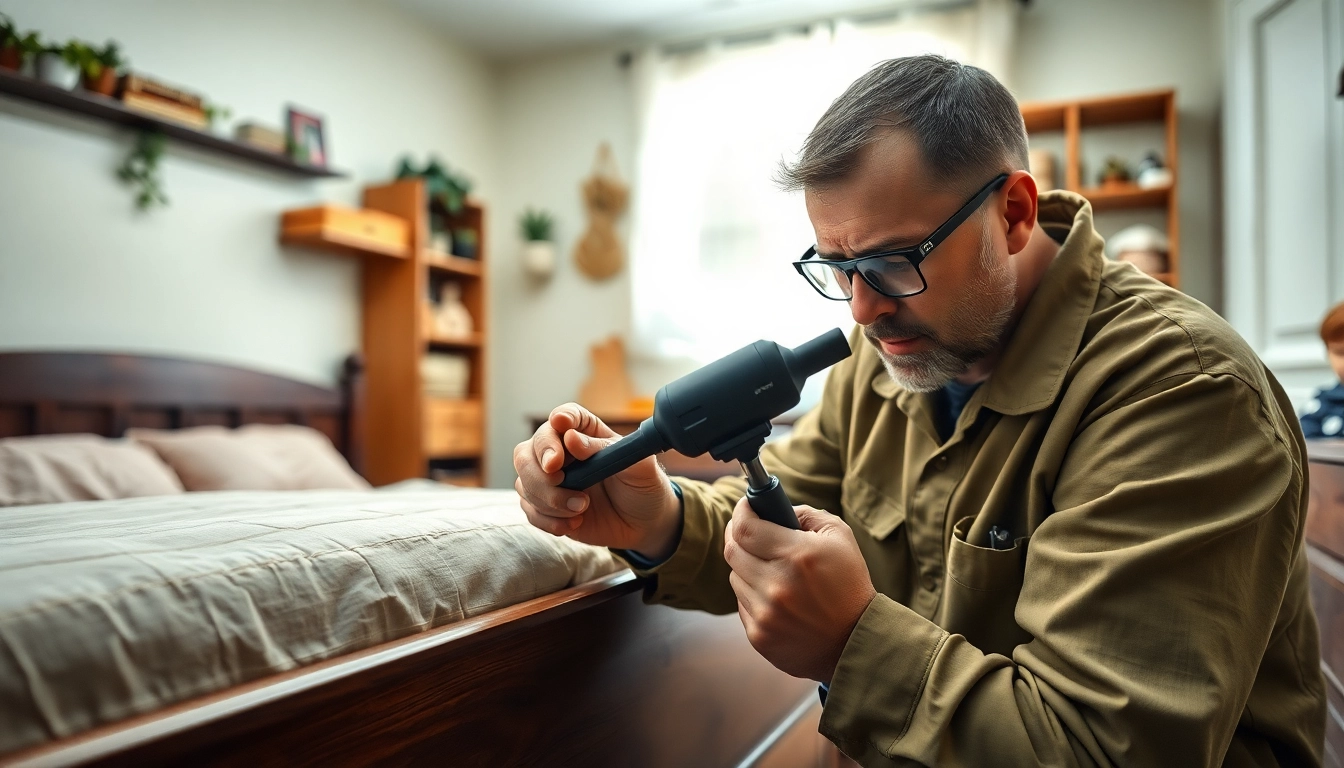
Understanding Bed Bug Pest Control Basics
Bed bugs are a growing problem in households across the nation. Understanding how they operate and how to handle an infestation is crucial. For effective management, it is essential to implement comprehensive bed bug pest control strategies. This article dives deep into the nuances of bed bug extermination, offering practical advice and expert tips.
What Are Bed Bugs?
Bed bugs are small, parasitic insects that feed on the blood of humans and animals. They are roughly the size of an apple seed and are notable for their reddish-brown color. Unlike many pests, bed bugs are nocturnal, which means they are most active at night when they typically feed. They thrive in warm environments, which is why they often inhabit beds, sofas, and other places where people rest.
Identifying Bed Bug Infestations
Recognizing a bed bug infestation early is vital to applying effective bed bug pest control measures. Common signs of bed bugs include:
- Bite Marks: Small, red, itchy welts on the skin are a telltale sign.
- Staining: Dark spots on bedding may indicate bed bug excrement.
- Shed Skins: Bed bugs go through various nymph stages, easily identifiable as they shed their skins.
- Visible Bugs: Spotting the bugs themselves in mattress seams is a strong indicator.
Common Myths About Bed Bugs
Many myths surround bed bugs that can complicate proper control strategies. Here are some prevalent misconceptions:
- Myth 1: Bed bugs are only found in dirty places. Reality: They can thrive anywhere.
- Myth 2: Bed bugs spread disease. Reality: They do not transmit diseases, though their bites can cause allergic reactions.
- Myth 3: You can easily get rid of them with home remedies. Reality: While some remedies may help, professional intervention is often necessary.
Best Practices for Bed Bug Pest Control
Preventing Bed Bug Infestations
Prevention is the best bed bug pest control strategy. Here are key steps to help keep them at bay:
- Regular Inspections: Frequently check for signs of bed bugs, especially after traveling.
- Decluttering: Keep your home tidy to reduce hiding places.
- Protective Covers: Use mattress and pillow encasements designed to keep bed bugs contained.
Cleaning Techniques for Infested Areas
If infestations are confirmed, effective cleaning is essential. Here are some best practices:
- Laundering: Wash all bedding, clothing, and curtains in hot water and dry on high heat.
- Vacuuming: Use a vacuum with a brush attachment on carpets, floors, bed frames, and furniture.
- Steam Cleaning: Apply steam to areas where bed bugs are likely to hide. The heat destroys both bugs and eggs.
Utilizing Encasements and Barriers
Encasements and barriers are part of an effective bed bug pest control strategy:
- Mattress Encasements: Invest in protective covers to trap existing bed bugs.
- Bed Bug Interceptors: Place these under the legs of your bed to catch bed bugs trying to climb up.
Professional Bed Bug Pest Control Services
When to Call an Exterminator
It is crucial to recognize when a situation exceeds DIY capabilities. Here are signs that you should consult a professional:
- If you observe multiple signs of infestation across different areas.
- When the DIY methods prove ineffective after several attempts.
- If you lack the time or comfort to handle the problem yourself.
Different Treatment Options Available
Professionals employ various methods to eliminate bed bugs effectively:
- Heat Treatment: Raising room temperatures can kill bed bugs and their eggs.
- Pesticides: Chemical treatments may effectively eliminate bed bugs when used correctly.
- Integrated Pest Management: Combining various techniques tailored to the specific infestation.
Evaluating Service Providers
Selecting the right pest control provider is crucial. Consider the following:
- Check for proper licensing and certification.
- Read reviews and seek testimonials from previous clients.
- Ensure they use eco-friendly and effective methods.
DIY Bed Bug Pest Control Solutions
Home Remedies That Work
While professional help is often necessary, several home remedies can assist:
- Diatomaceous Earth: Sprinkling this powder in infested areas can help dehydrate and kill bed bugs.
- Essential Oils: Oils like tea tree and lavender may repel and kill bed bugs.
Tools and Products for DIY Treatment
For those opting for a DIY approach, equip yourself with the right tools:
- Vacuum Cleaner: An essential tool for removing visible bed bugs.
- Steam Cleaner: Use a steam cleaner for effective heat application.
Safety Precautions During Treatment
When employing DIY methods, safety is paramount. Ensure proper ventilation when using chemicals and always wear protective gear.
Future-Proofing Your Home Against Bed Bugs
Ongoing Prevention Strategies
Post-treatment prevention is vital for ongoing success:
- Regular Inspections: Continuously check for signs to catch any potential infestations early.
- Education: Educate all household members about bed bugs to ensure everyone is vigilant.
Monitoring for Reinfestations
Continue to monitor your home even after successful treatment. Utilizing bed bug interceptors can provide ongoing surveillance.
Creating a Bed Bug Awareness Plan
Establishing a bed bug awareness plan that outlines preventive measures, cleaning schedules, and emergency procedures can help manage this pest more effectively.
FAQs
What is the best pest control method for bed bugs?
Regular vacuuming, cleaning clutter, and using encasements are effective initial steps for pest control. Consider professional help if the issue persists.
How do I prepare for professional bed bug pest control?
Clear the area of personal items, wash bedding in hot water, and follow any specific instructions from your pest control provider.
Can I eliminate bed bugs without chemicals?
Yes, heat treatments and thorough cleaning can effectively kill bed bugs. Items can be treated with steam or placed in a hot dryer.
How long does bed bug pest control treatment take?
Treatment duration can vary; however, initial treatments may take a few hours, while follow-ups and monitoring can extend over several weeks.
What signs indicate a bed bug problem?
Look for small dark spots on bedding, shed skins, or actual bed bugs in seams of mattresses and luggage.