The Importance of Screen-Free Play for Children
In today's digital age, engaging children in activities that are devoid of screens has become a significant challenge for parents. However, the importance of screen-free play cannot be overstated as it's critical for a child's development. Research has shown that as kids spend more time in front of screens, they miss out on opportunities to engage in imaginative play, foster creativity, and develop essential social skills. For parents looking to enrich their children’s lives, learn more today about these enriching screen-free alternatives. In this article, we will explore the myriad benefits of screen-free play, the various types of toys that can keep kids engaged, and practical tips for implementing these into daily life.
Benefits of Reducing Screen Time
Reducing screen time can lead to profound improvements in a child's physical and mental well-being. It encourages children to participate in more physical activities, promoting better overall health. Numerous studies indicate that excessive screen time can lead to obesity, sleep disorders, and even anxiety in children. By offering screen-free alternatives, parents help mitigate these risks while promoting a balanced lifestyle.
Encouraging Creative Thinking
Screen-free play stimulates creativity and imaginative thinking. When children are entrenched in video games or television, their thought processes can become passive. In contrast, engaging with toys that require creative input cultivates problem-solving abilities. Whether through imaginative play scenarios or open-ended building projects, children learn to think outside the box.
Developing Social Skills Through Play
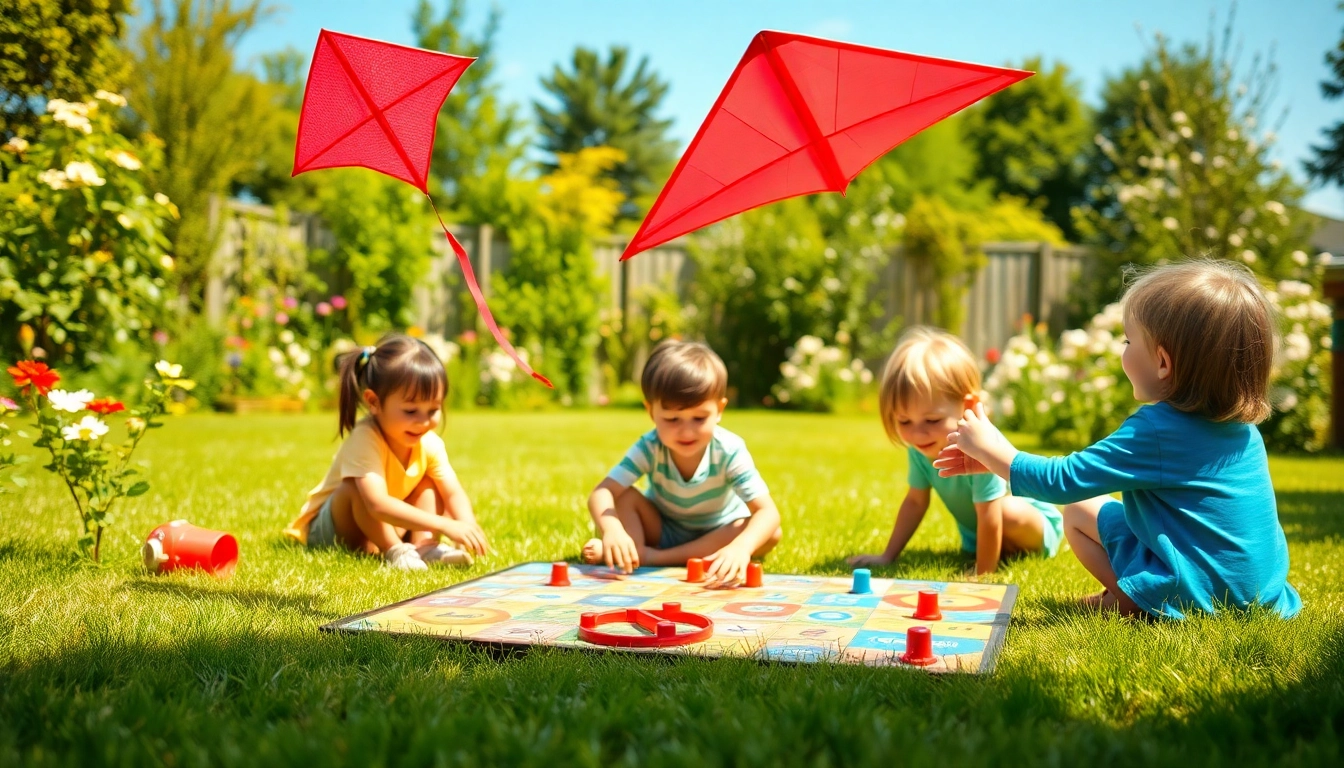
Play is a critical facet of developing social skills. Screen-free toys foster interaction among children, teaching them valuable lessons in sharing, empathy, and teamwork. When kids play together, they practice negotiation, conflict resolution, and communication. These interactions are essential for developing robust interpersonal skills that will benefit them throughout life.
Types of Screen-Free Toys to Keep Kids Busy
Building Blocks and Construction Sets
Building blocks and construction sets are timeless toys perfect for encouraging imagination and engineering skills. With a variety of shapes, sizes, and colors, these toys allow children to create anything their minds can conceive. As they build and manipulate their creations, they also enhance their fine motor skills and learn about physics concepts such as balance and gravity.
Arts and Crafts Supplies
Arts and crafts supplies can unleash a child’s creativity. From drawing and painting to sculpting with clay, the possibilities are endless. Engaging in artistic activities not only stimulates the brain but also instills a sense of accomplishment and boosts self-esteem. Parents can encourage their children to explore different mediums and techniques to see which ones spark their interest.
Board Games and Puzzles
Board games and puzzles are excellent for fostering critical thinking and strategic planning. They also encourage social interaction, as multiple players can join in, promoting teamwork and healthy competition. Furthermore, solving puzzles enhances cognitive skills and patience as children work to achieve a goal together or alone. These activities provide a great way for families to spend quality time together, away from screens.
How to Choose the Right Toys for Your Child
Age-Appropriate Options
Choosing the right toys requires considering the child's age and developmental stage. For younger children, toys should be designed for small hands and avoid small parts. As children grow, they may benefit from more complex toys that challenge their abilities and engage their imaginations. Always label age recommendations are provided by manufacturers to guide parents in making appropriate choices.
Assessing Educational Value
When selecting toys, consider their educational value. Look for toys that promote skills such as math, language, and science concepts, as well as those that encourage social interactions. Educational toys can also provide opportunities for learning through play, making them particularly valuable for child development.
Safety and Non-Toxic Materials
Safety is paramount when selecting toys for children. Ensure that the toys are made from non-toxic materials and are free from harmful chemicals. Parents should also look for quality certifications that indicate safety standards have been met. A thorough understanding of the materials used in the toys can help prevent accidents and health issues in the long run.
Creating a Screen-Free Play Zone at Home
Designing an Engaging Space
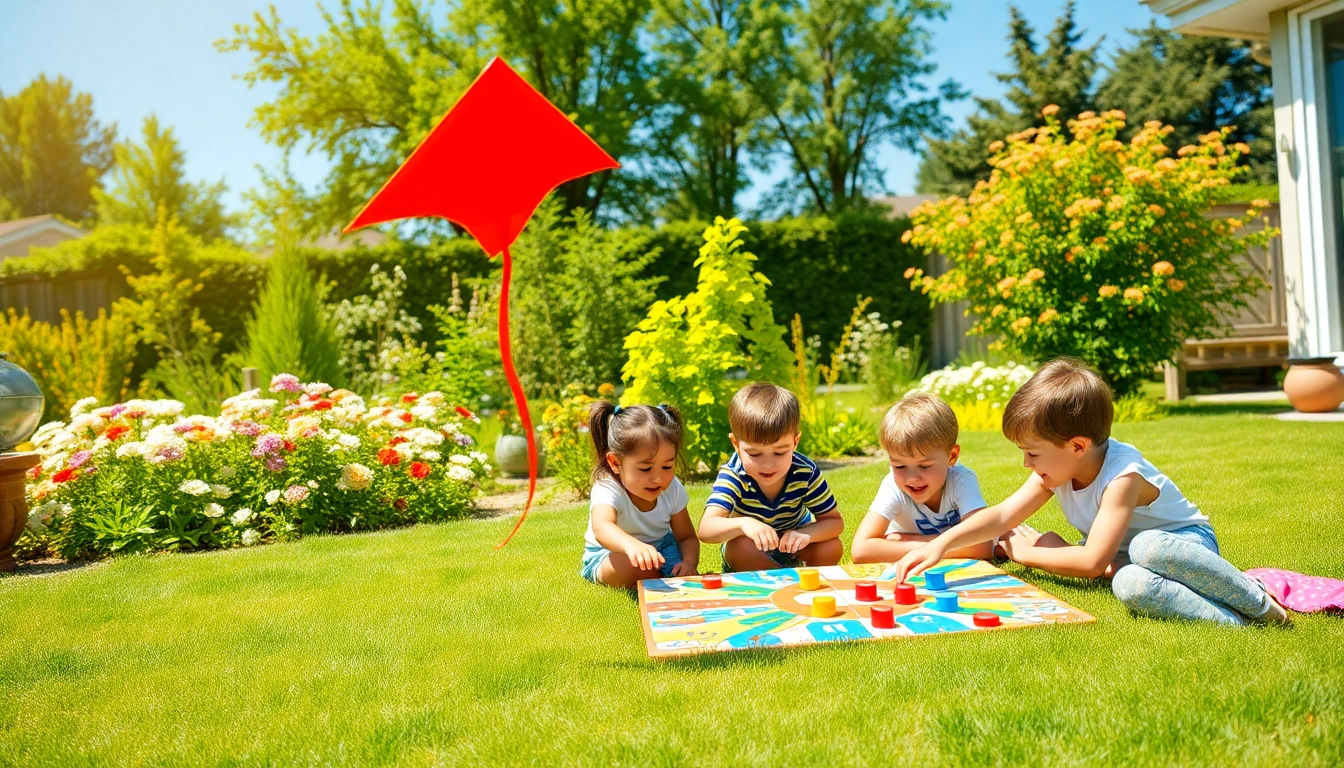
To promote screen-free play, it's essential to create a dedicated space in the home where children can engage with their toys. This space should be inviting and stimulating, filled with resources that inspire creativity and exploration. Elements like colorful rugs, art supplies, and open-play areas can enhance the appeal of this designated zone.
Organizing Toys for Easy Access
Organization is key to maintaining interest in screen-free activities. Ensure that toys are easily accessible to children, possibly through labeled bins, shelves, or baskets. This allows them to quickly find what they want to play with and encourages independent play. An organized space not only helps children play more effectively but also teaches them about responsibility and taking care of their belongings.
Scheduling Regular Play Times
Just like any other activity, scheduling regular playtime can ensure that children engage in screen-free activities. Establishing a routine allows kids to look forward to these play sessions and helps them learn the importance of balance. Parents can mix playtime with other activities to ensure a well-rounded schedule that promotes both mental and physical health.
Frequently Asked Questions About Screen-Free Toys
What age are screen-free toys suitable for?
Screen-free toys can be suitable for all ages. It's essential to choose ones that match the child’s developmental stage to ensure safety and engagement.
Can screen-free toys help with learning?
Yes, many screen-free toys promote learning in areas like problem-solving, creativity, and social skills while making the learning process enjoyable.
How do I encourage my child to play without screens?
Encourage your child by setting limits on screen time and providing a variety of engaging toys and play activities that stimulate their imagination.
What types of materials should I avoid in toys?
Avoid toys made from toxic materials, including certain plastics and lead-based paints. Always check for safety certifications before purchasing.
Are there benefits to group play with screen-free toys?
Yes, group play enhances social skills such as teamwork, communication, and empathy. It also provides opportunities for children to learn from one another.