1. Introduction to Screen-Free Play
In today’s digital age, screens are omnipresent, and children often find themselves captivated by phones, tablets, or televisions. While technology can be beneficial in moderation, there’s an increasing need for children to engage in screen-free play. Activities that don’t involve screens are essential for cognitive, emotional, and physical development. Exploring creative screen-free activities can offer children an enriching alternative that stimulates their imagination and supports healthy growth. If you’re eager to discover more ways to keep your kids actively engaged, learn more today.
Why Screen-Free Activities Matter
The prevalence of digital devices has significant implications for children's well-being. Studies have shown that excessive screen time can lead to issues such as decreased attention spans, disrupted sleep cycles, and increased anxiety levels. Engaging in screen-free activities helps alleviate these issues by encouraging mindfulness and presence in the moment. Through hands-on experiences, children learn to cope with real-world challenges and develop critical life skills.
Benefits for Child Development
Screen-free play is crucial for a child's holistic development. It nurtures creativity, enhances problem-solving abilities, and improves social skills. Activities like building with blocks or engaging in arts and crafts allow children to experiment and express themselves without the constraints of screens. Furthermore, physical play—like running, jumping, or climbing—contributes to their physical health, fostering coordination and motor skills. Overall, these benefits cumulatively bolster confidence, resilience, and cognitive functioning.
How to Choose the Right Toys
When selecting toys for screen-free play, it’s essential to consider various factors. Look for products that promote open-ended play, where children can use their imagination and creativity. Toys that are versatile, such as building sets, art supplies, or nature exploration kits, will keep children engaged longer. Safety is also paramount; ensure the toys are appropriate for the child’s age and free from harmful materials. Additionally, check for durability, as children often have an expansive range of uses in mind for their toys!
2. Types of Screen-Free Toys
Creative Building Sets
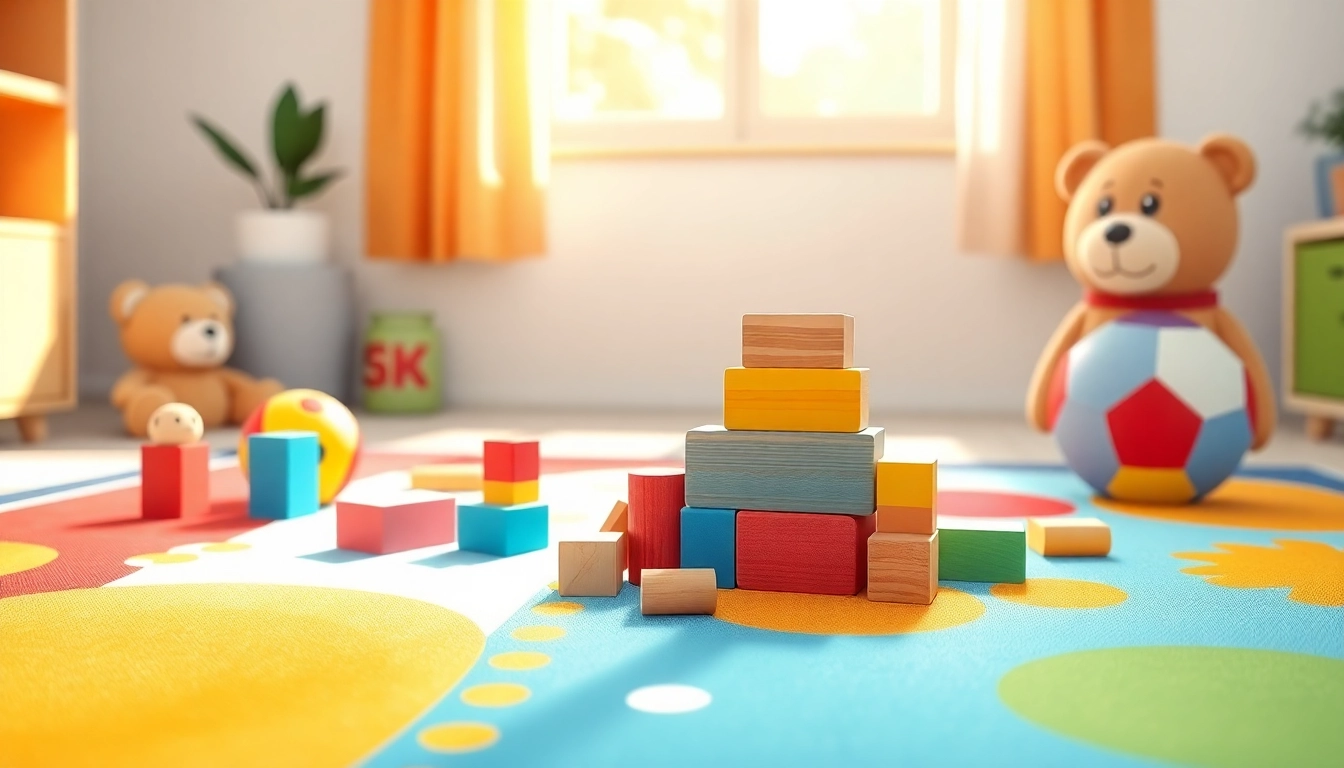
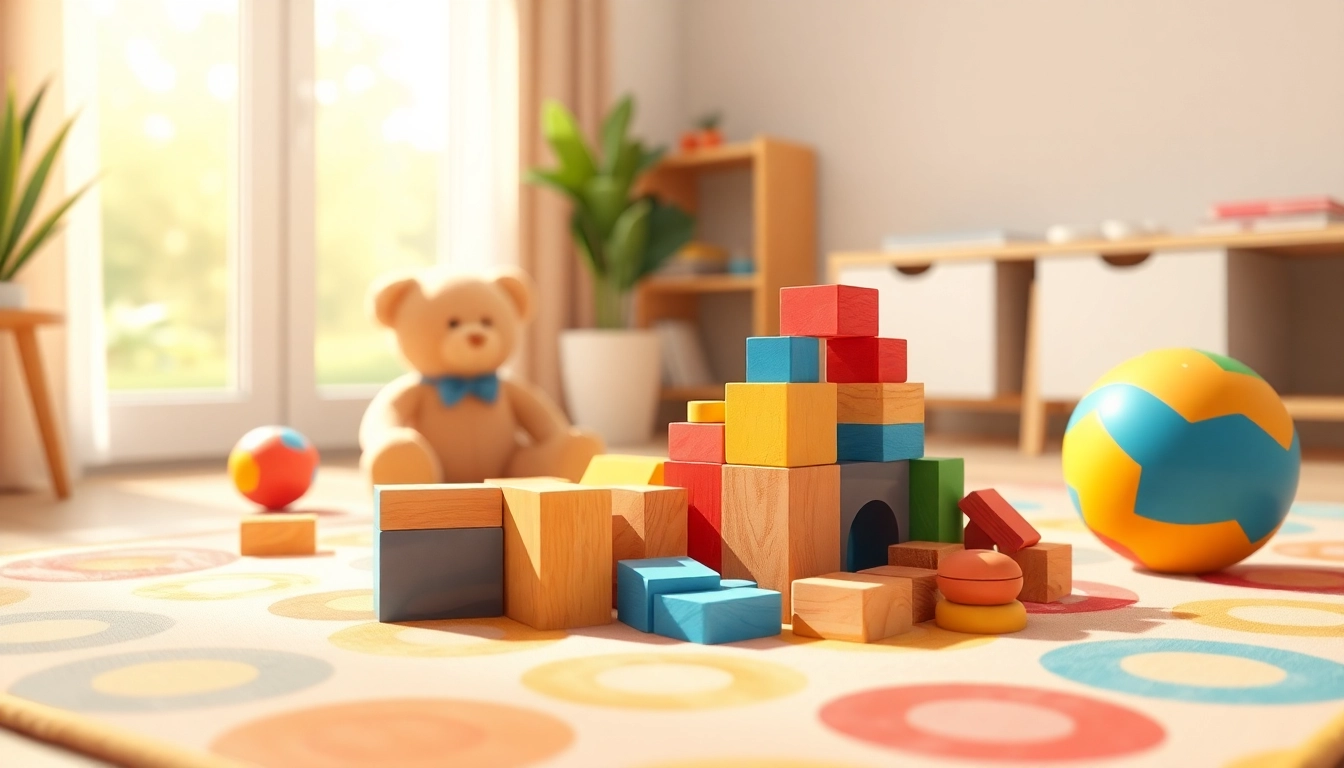
Creative building sets are among the most effective ways to stimulate a child’s imagination and foster engineering skills. These toys often come in various shapes, sizes, and materials, allowing children to construct everything from simple structures to complex designs. Examples include wooden blocks, magnetic tiles, or LEGO sets. As children manipulate these items, they develop spatial awareness, problem-solving skills, and hand-eye coordination.
Artistic and Craft Materials
Artistic and craft materials provide another avenue for creative exploration. Items such as paints, markers, clay, and craft kits encourage children to express themselves and experiment with different techniques. These activities enhance fine motor skills and stimulate creativity while providing an emotional outlet. Moreover, children often display increased patterns of collaboration when engaged in group art projects, fostering teamwork and communication skills.
Outdoor Games and Activities
Outdoor games and activities are vital for physical development and social interaction. Toys such as jump ropes, frisbees, or sports equipment encourage children to engage in physical activity while also promoting teamwork, resilience, and cooperation. Organizing neighborhood games or family events can enhance this experience. When children play outdoors, they also develop an appreciation for nature and physical fitness, crucial in combating sedentary lifestyles.
3. Tips to Encourage Active Play
Setting Up a Play Space
Creating a conducive play space is essential for encouraging active play. Designate an area in your home or backyard that is safe and easily accessible for children. Ensure the space is free from clutter and equipped with various materials that facilitate imaginative play. Adding elements like comfortable seating, soft flooring, and organized storage for toys will create an inviting atmosphere to play freely.
Engaging Children in Playtime
Engagement is key to making screen-free play enjoyable. Join your children in their activities; whether building a fort or creating art, your participation can boost their enthusiasm and foster bonds. Encourage children to lead their playtime by allowing them to come up with ideas or choose activities. By granting them agency and involving your interest, you’ll motivate them to explore more.
Limiting Screen Time Effectively
Effectively limiting screen time does not have to be a struggle. Set clear boundaries regarding when and how long screens can be used. Use a scheduling approach that allows for designated screen time while prioritizing hours for screen-free activities. Implement family routines that incorporate alternative activities during times when children typically gravitate toward screens. The key is consistency; when children recognize predictable patterns, they are more likely to adapt and embrace screen-free play.
4. Creative Ideas for Play with Screen-Free Toys
DIY Play Sessions
Do-It-Yourself (DIY) play sessions can be incredibly engaging and resourceful. Use everyday objects around the house to create fun and imaginative scenarios. For example, cardboard boxes can transform into pirate ships, castles, or race cars. Encourage children to come up with their own creations using materials that may otherwise be discarded. This not only fosters creativity but also teaches resourcefulness and imaginative thinking.
Theme-Based Play Activities
Theme-based play activities provide structure while sparking a child’s imagination. Choose a theme—such as “space exploration” or “underwater adventure”—and gather relevant toys, books, and props. This immersive experience can encompass storytelling, role-playing, or creative projects related to the theme. It promotes cognitive growth by encouraging children to relate different concepts to one another, thereby enhancing comprehension and curiosity.
Collaborative Family Games
Collaborative family games are an excellent way to strengthen bonds while engaging in screen-free play. Board games, card games, or even outdoor competitions can facilitate teamwork, strategy, and communication. Consider creating family challenges, like scavenger hunts or obstacle courses. Such activities not only enhance the fun but foster a sense of shared experience and healthy competition, fundamental in strengthening familial connections.
5. Frequently Asked Questions
What age group benefits most from screen-free toys?
All age groups benefit from screen-free toys, but toddlers and preschoolers, who are developing foundational skills, gain significant advantages. Engaging in imaginative play helps build cognitive and social skills during these formative years.
How do screen-free toys aid in learning?
Screen-free toys enhance learning by promoting hands-on experiences. These toys foster creativity, problem-solving, and critical thinking, enabling children to explore concepts through different modalities rather than passive observation.
Are there affordable options for screen-free play?
Absolutely! Many screen-free toys and activities can be created using household items or inexpensive materials. Crafts, DIY building projects, and nature exploration activities are budget-friendly alternatives that offer hours of creative engagement.
Can screen-free toys be used for group play?
Yes! Many screen-free toys are designed for group play, enhancing socialization and teamwork skills. Items like building sets, board games, and outdoor sports equipment encourage collaboration and interaction among peers.
How do I motivate my child to play without screens?
To motivate children to play without screens, introduce diverse toys, create engaging spaces, and join them in their activities. Set clear boundaries for screen time, ensuring they see the value of alternative play, reinforcing positive experiences through recognition and encouragement.