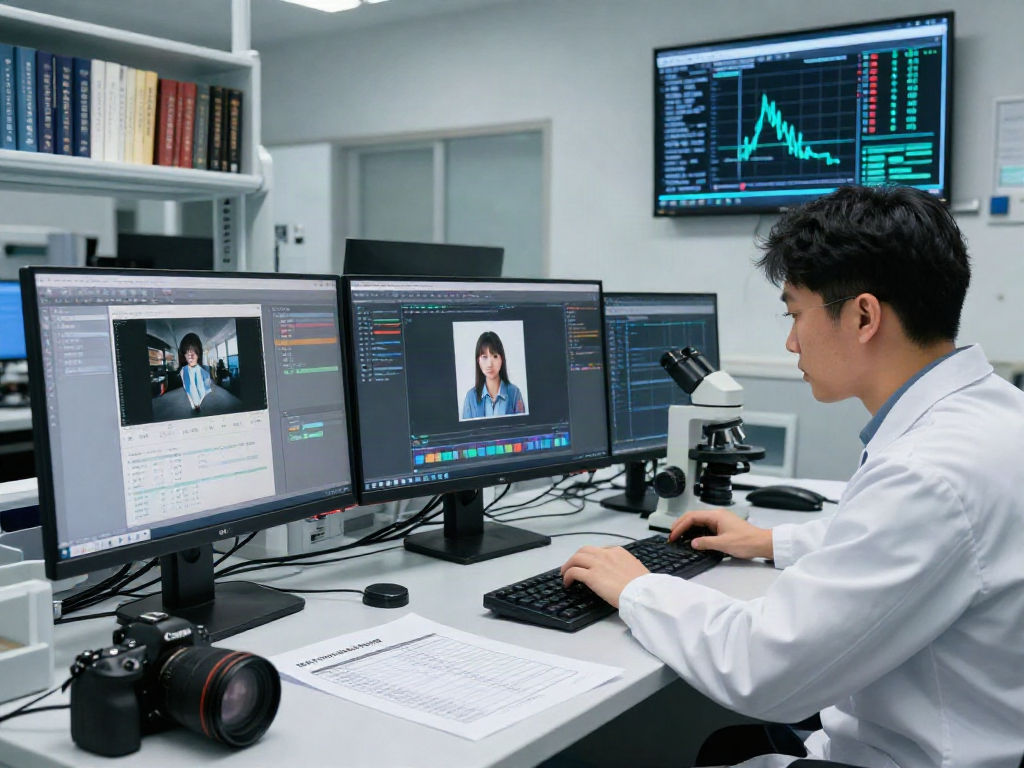
Understanding Deepfake Technology in Virtual Meetings
In an era where technology continues to evolve at a breakneck pace, the emergence of deepfake technology has raised significant concerns, particularly in the realm of online video communication. Deepfakes utilize artificial intelligence to create hyper-realistic video manipulations, enabling the impersonation of individuals in real-time video calls. As remote meetings become integral to business operations, the risks associated with deepfake attacks present challenges that organizations must confront head-on. Understanding how to safeguard against these threats is crucial for maintaining integrity and trust in digital communications. When exploring options, Deepfake protected Online Video Calls, Meetings and Conferencing solutions are emerging as essential tools for businesses seeking to enhance security.
What are Deepfakes and How They Affect Online Communication?
Deepfakes are synthetic media created using artificial intelligence, specifically deep learning techniques. They can manipulate audio and visuals to produce misleading representations of individuals. This technology has progressed to the point where deepfakes can recreate lip movements, facial expressions, and vocal patterns with disturbing accuracy. In online meetings, this can lead to unauthorized impersonations, where malicious actors can present themselves as trusted executives or colleagues, leading to security breaches and the potential theft of sensitive information.
Key Risks of Deepfakes in Video Calls
- Impersonation: Cybercriminals can use deepfakes to impersonate high-ranking officials or clients, potentially authorizing fraudulent actions during meetings.
- Reputation Damage: Companies could suffer significant reputational harm from being associated with deepfake scandals, even if they are victims of the technology.
- Data Theft: Sensitive information shared during video calls can be exploited if participants cannot verify each other's identities.
- Legal and Compliance Risks: Many industries have strict compliance regulations regarding data protection; failure to secure communication could lead to legal ramifications.
How Deepfake Protection Works: Essential Technologies Explained
Deepfake protection involves a combination of technologies designed to detect manipulations in real-time video streams. Solutions typically leverage machine learning algorithms trained on vast datasets of both genuine and manipulated media. These tools analyze visual and audio cues to flag anomalies indicative of deepfake content. Notably, incorporation of biometric authentication, such as facial recognition or behavioral analytics, adds an additional layer of security, verifying user identities beyond superficial appearances.
Best Practices for Securing Online Video Calls
Implementing Multi-Factor Authentication Systems
One of the most effective measures to enhance security during online meetings is the implementation of multi-factor authentication (MFA). By requiring additional verification factors—such as text message codes or biometric scans—businesses can significantly reduce the risk of unauthorized access to video calls. This multi-layered approach ensures that even if an impersonator gains access, they cannot easily navigate through a single point of verification.
Recognizing Authenticity: Visual and Behavioral Cues
Participants need to be trained to recognize visual and behavioral cues that may signal a deepfake. Subtle inconsistencies in body language, eye movement, or facial expressions can indicate a manipulated video stream. Encouraging users to be vigilant and skeptical of unexpected behaviors during meetings is crucial for early detection.
Setting Up Secure Meeting Protocols
Establishing secure meeting protocols can aid in mitigating the risks associated with video calls. This includes using strong and unique meeting passwords, limiting screen sharing capabilities, and setting up waiting rooms to control who enters meetings. Setting a protocol for verifying participant identities—such as the use of security questions—can further enhance meeting security.
Top Deepfake Protection Solutions for 2026
Ranking the Leading Video Conferencing Tools
As the demand for secure online communication rises, several video conferencing tools are emerging at the forefront of deepfake protection. Solutions from companies like iProov and Reality Defender are gaining popularity due to their robust deepfake detection capabilities. These platforms integrate AI-powered algorithms that analyze video streams for signs of manipulation, providing real-time security measures during meetings.
Features to Look for in Deepfake Detection Software
When evaluating deepfake detection software, organizations should consider features such as:
- Real-Time Detection: The ability to analyze and flag potential deepfakes without delaying the meeting process.
- Biometric Logging: Secure login options that utilize biometric data to ensure participant identities.
- User-Friendly Interface: Intuitive design that simplifies the security process for users of all technical abilities.
- Integration Capabilities: Ability to seamlessly integrate with existing video conferencing platforms.
Comparative Analysis of Solutions’ Effectiveness
Evaluating the effectiveness of deepfake protection solutions involves analyzing their detection rates, false positive occurrences, and user feedback. Comprehensive testing should be carried out to assess how well these tools perform under various conditions. By comparing multiple solutions, businesses can make informed decisions about which software best meets their security needs.
Case Studies: Successful Implementation of Deepfake Protection
Examples from Major Corporations
Numerous corporations have successfully implemented deepfake protection strategies that provide valuable insights for others. For instance, a multinational financial institution adopted multi-layered authentication processes and integrated a leading deepfake detection tool, resulting in a significant decrease in security incidents during remote meetings.
Lessons Learned from Deepfake Security Breaches
Analyzing past breaches due to deepfake technology helps organizations avoid repeating the same mistakes. For example, a healthcare organization faced a severe data breach after failing to implement robust verification protocols during virtual consultations. Lessons learned highlight the importance of investing in comprehensive training programs and advanced deepfake protection measures.
Future-Proofing Meeting Security: Emerging Strategies
As technology continues to evolve, businesses must stay ahead of the curve regarding meeting security. Investing in emerging technologies such as blockchain for identity verification and advanced machine learning models can provide long-term protection against deepfake threats. Encouraging a culture of awareness and adaptability among employees is also essential for ongoing security success.
The Future of Online Meetings in the Age of Deepfakes
Predictions for 2026 and Beyond
Looking ahead, the evolution of deepfake technology will likely lead to more sophisticated impersonation techniques, necessitating continuous advancements in detection methods. The integration of AI across various platforms will become increasingly critical, ensuring that meeting participants' identities can be verified swiftly and accurately.
Innovations in AI and Security Technology
Innovations such as real-time video analysis, behavioral pattern recognition, and adaptive security measures will shape the future landscape of online meetings. As organizations strive for secure communication, investing in these cutting-edge technologies will be paramount in mitigating risks associated with deepfake manipulations.
Building Trust in Online Collaborations: Community Insights
Trust remains a fundamental component of successful online collaborations. Building this trust requires transparent communication about the measures in place to secure meetings. By engaging with stakeholders and providing insights into the technologies being utilized, organizations can foster confidence among participants, enhancing overall collaboration outcomes.
What is deepfake technology?
Deepfake technology uses artificial intelligence algorithms to create realistic representations that can manipulate video and audio. This technology can lead to significant ethical and security concerns, particularly in sensitive environments like corporate meetings.
How can I protect my video calls from deepfakes?
Protection involves implementing multi-factor authentication, utilizing deepfake detection software, establishing secure meeting protocols, and educating participants about identifying potential deepfake signs.
Are deepfake protections effective?
Effectiveness varies by solution, but advancements in AI detection methods have improved the ability to recognize deepfakes during live video streams significantly.
What solutions are available for deepfake detection?
Various solutions are offered by companies such as iProov and Reality Defender, which provide comprehensive tools designed to authenticate identities and detect manipulated video content.
How does deepfake technology impact businesses?
Deepfake technology poses severe risks to business security, potentially resulting in data breaches, unauthorized transactions, and reputational damage. Organizations must prioritize security measures to safeguard against these threats.