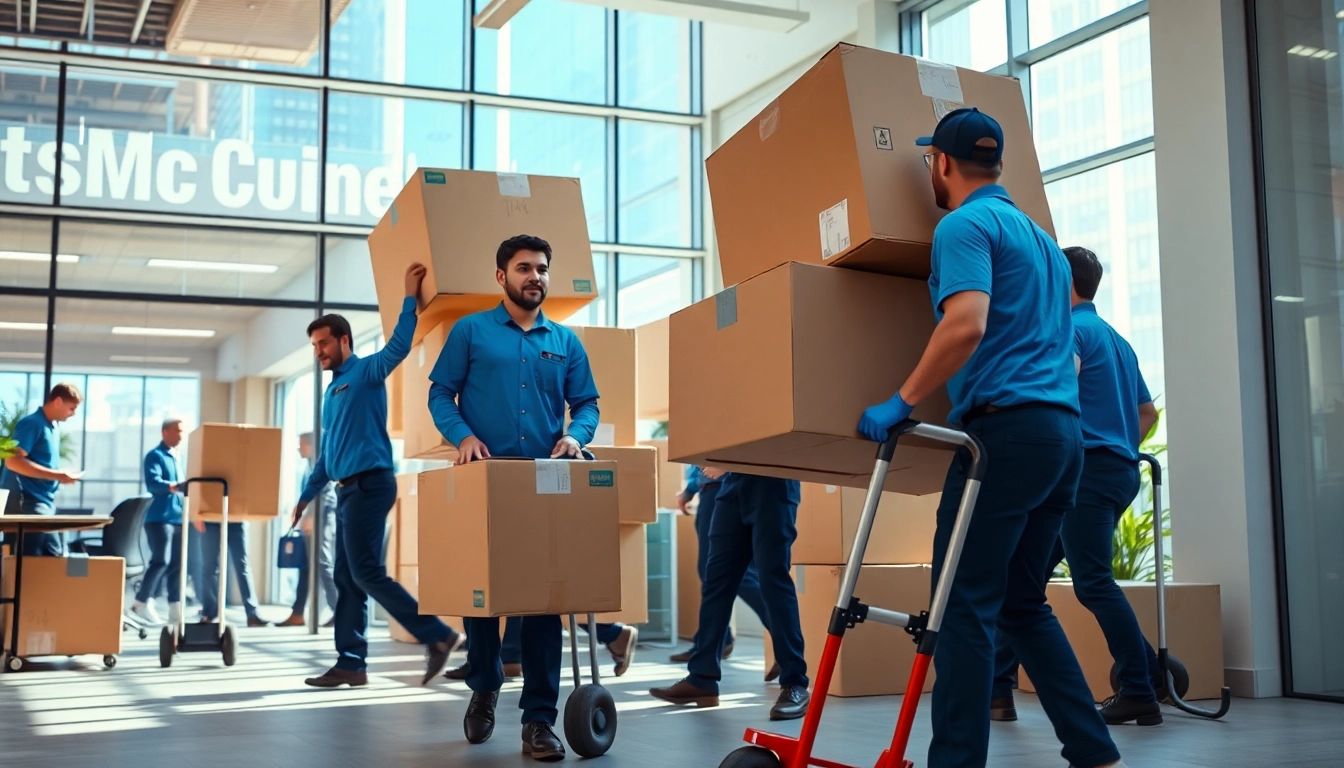
Understanding Commercial Moving Services NYC
What are Commercial Moving Services NYC?
Commercial moving services encompass a specialized set of logistics and transportation solutions tailored specifically for businesses. Unlike traditional residential moving, these services are designed to facilitate the relocation of business assets, which may include sensitive equipment, technology, furniture, and more. Commercial moves can vary significantly in scale, from small office transitions to the comprehensive relocation of multi-floor corporate facilities. Engaging Commercial Moving Services NYC ensures that your business can continue operating with minimal disruption, as professionals take care of the intricate details involved in the move.
Benefits of Professional Commercial Movers
Choosing professional commercial movers offers numerous advantages that significantly ease the burden of relocating a business. One of the primary benefits is expertise in handling specialized equipment and logistics. Commercial movers are trained in safely transporting sensitive and expensive items, such as servers, electronics, and office furniture. They are also equipped to navigate the unique challenges associated with moving in New York City, including navigating busy streets, parking restrictions, and building regulations.
Moreover, professional movers can save time and reduce downtime for your business. Their experience enables them to execute moves efficiently, ensuring a swift transition that limits interruptions to operations. Additionally, many commercial moving companies offer comprehensive services, including packing, unpacking, and even office layout redesign, which can help streamline the process and ensure that you settle into your new location quickly.
Types of Commercial Moves
Commercial moving services can be categorized into various types based on the specific needs of a business. Here are some common types:
- Office Moves: These involve relocating an entire office space, including desks, chairs, computers, and files.
- Retail Relocations: Retail businesses require specialized services to transport inventory safely while minimizing disruption to customers.
- Industrial Moves: These can involve relocating large machinery and equipment, often requiring specialized rigging and transportation techniques.
- Corporate Relocations: These typically include the movement of entire corporate offices and can involve geographical relocations.
- Institutional Moves: Schools, hospitals, and other institutions have unique logistics requirements, needing specialized services to manage sensitive documents or equipment.
How to Prepare for a Commercial Move in NYC
Creating a Moving Checklist
A comprehensive moving checklist is essential for a successful commercial move. Start by assigning a project manager who will oversee the move's logistics. The checklist should include:
- Inventory of equipment and assets to be moved
- Timeline for each phase of the move
- Notices to employees and clients regarding the relocation
- Contact information for movers
- Plans for setup at the new location
This methodical approach helps ensure that all aspects of the move are accounted for, minimizing the risk of overlooking critical details.
Notifying Clients and Employees
Clear communication with both employees and clients is vital to preparing for a commercial move. Employees should be informed about the relocation process, including timelines and their roles during the move. It may also be helpful to host a meeting to address any concerns and explain how the move will benefit the company.
Similarly, clients should be notified well in advance, preferably through multiple channels, including email and direct communication. Reassuring clients that operations will remain uninterrupted is key to maintaining relationships throughout the transfer.
Choosing the Right Time for Your Move
Timing is a critical factor in minimizing disruption during a commercial move. Aim to schedule the move during periods of lower business activity, such as holidays or the weekend. Off-peak hours can reduce the impact on both employees and clients, allowing you to carry out tasks with greater speed and less interference.
Furthermore, it is advisable to consider the calendar of your industry. For example, retail businesses may wish to avoid moving during high shopping seasons, while tech firms may want to plan around product launches.
Selecting the Best Commercial Moving Services NYC
Evaluating Moving Company Credentials
When selecting a commercial moving company, verifying the credentials of potential movers is of utmost importance. Look for companies that are fully licensed and insured. Certification from professional organizations is also a good indicator of reliability and industry standards. Ask for proof of insurance and inquire about their claims process in case of damages or losses during the move.
Understanding Pricing Structures
Commercial moving companies may have various pricing structures, which can include hourly rates, flat fees based on distance, or rates based on the size of the office. It’s essential to obtain several quotes before making a decision. Ensure that all estimates are detailed and transparent to avoid hidden fees. Be upfront about your needs and the specifics of your move to receive the most accurate quotes possible.
Checking Reviews and Testimonials
Research online reviews and testimonials to gain insights into the experiences of prior customers. Platforms such as Google Reviews, Yelp, and the Better Business Bureau can offer valuable information regarding the reliability and quality of service provided by various moving companies. Look for patterns in reviews concerning punctuality, professionalism, and customer service.
Common Challenges in Commercial Moving and Solutions
Managing Employee Downtime
One of the most significant challenges in commercial moving is managing employee downtime. Prolonged periods without access to equipment and office space can reduce productivity. To mitigate this, develop a detailed moving plan that outlines each step and maintains workflow efficiency. Implementing a staggered moving schedule may allow some functions to remain operational during the transition.
Protecting Sensitive Information
Maintaining data security is another critical concern during a commercial move. Ensure that sensitive information is classified and accessed only by authorized personnel during the relocation process. Utilize secure methods for transporting documentation, such as locked containers, and consider using document shredding services for non-essential documents. Additionally, verify that IT systems are transferred securely to prevent data breaches.
Logistical Coordination and Scheduling
Coordinating logistics can be complex during a commercial move, especially in a bustling city like New York. Work closely with your moving team to develop a comprehensive plan that includes route mapping, elevator scheduling, and loading dock access. Frequent check-ins with your movers during the process can help identify and resolve any issues that may arise.
FAQs About Commercial Moving Services NYC
What factors affect the cost of commercial moving?
The cost of commercial moving can vary based on several factors, including distance, the volume of items being moved, the complexity of the move, and any specialized services needed, such as packing or transport of sensitive equipment.
How long does a commercial move typically take?
The duration of a commercial move can vary widely. Smaller relocations might take a few hours, while larger, complex moves can span several days. Planning and resource allocation can help minimize the time taken.
What should I look for in a moving contract?
When reviewing a moving contract, ensure it outlines services provided, payment terms, cancellation policies, and liability coverage. Look specific clauses about insurance for damaged goods during the move.
Are there specific insurance needs for commercial moving?
Yes, businesses often require higher insurance limits for commercial moves due to the value of equipment being transported. Discuss with the moving company to ensure that sufficient coverage is in place to protect your assets.
How do I ensure a smooth transition for my employees?
To facilitate a smooth transition, involve employees in the planning phase, keep communication open, and provide a timeline of what to expect. Training on new equipment or layouts can also help employees adapt quickly.