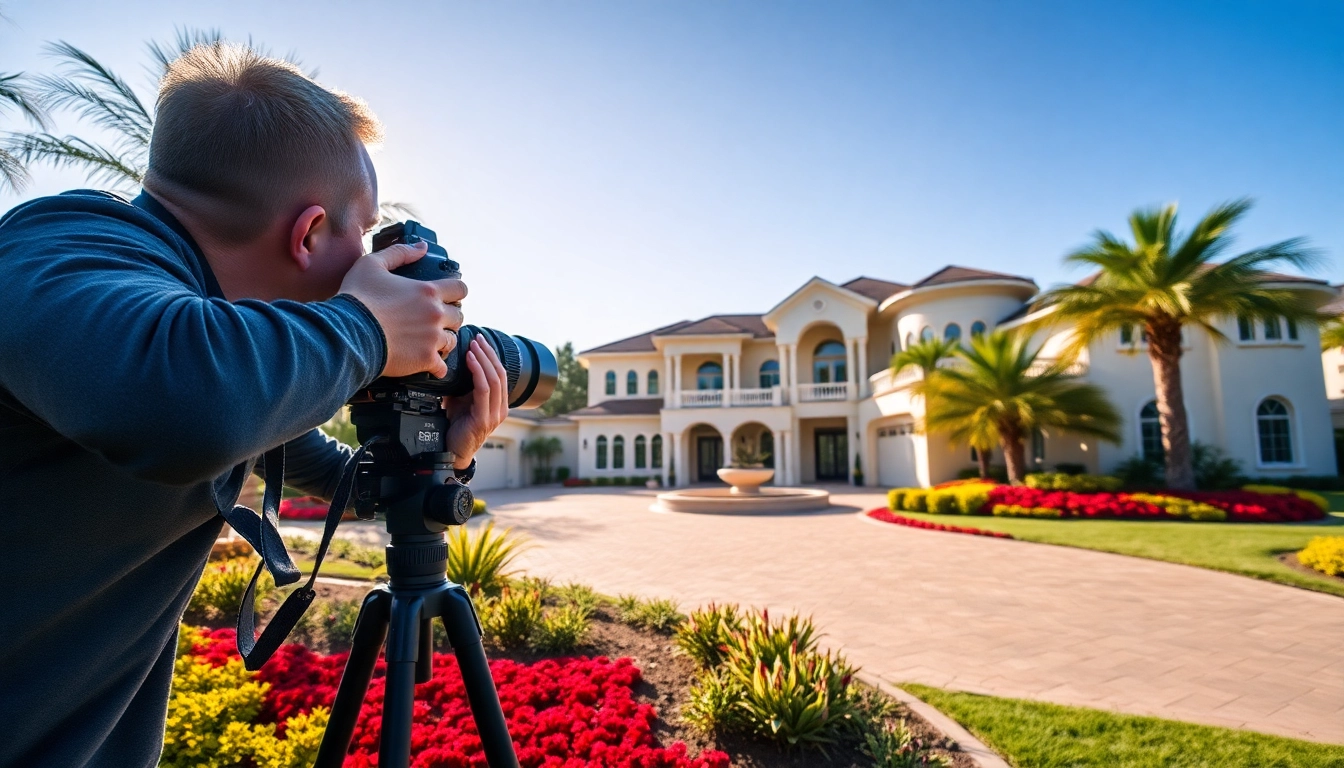
Understanding the Importance of a Real Estate Photographer
Why Quality Photos Matter in Real Estate
In the highly competitive real estate market, the first impression often comes from photographs. Quality real estate photography has the power to showcase properties in their best light, making them more appealing to prospective buyers. Studies have shown that listings with professional photographs can sell up to 32% faster compared to those with standard or amateur photographs. This shows how essential it is to invest in a Real Estate Photographer who understands the nuances of framing, lighting, and composition.
How Visuals Influence Buyer Decisions
Human beings are visual creatures. A well-composed photograph can evoke emotions, tell a story, and connect with the viewer. When potential buyers browse through real estate listings, their eyes are immediately drawn to striking images. A study by the National Association of Realtors found that 87% of homebuyers consider photos to be the most influential factor in their decision-making process. This highlights the importance of not just having images, but having high-quality images that capture the essence of a property.
Common Mistakes in Real Estate Photography
Even seasoned photographers can make mistakes that diminish the impact of property images. Some common pitfalls include:
- Poor Lighting: Natural light is key. Photos taken at the wrong time of day can create harsh shadows or insufficient light.
- Cluttered Spaces: An untidy environment distracts from the property's features. Staging is fundamental to making spaces look inviting.
- Inconsistent Angles: Images from varied angles can create a disjointed viewing experience. Consistency is essential for professional presentation.
Key Techniques for Exceptional Real Estate Photography
Mastering Lighting and Composition
Lighting is critical in photography. Utilizing natural light is often the best approach, especially during the golden hour, shortly after sunrise or before sunset. It is essential to position the camera at eye level to create a comfortable perspective for viewers. Understanding the rule of thirds can also dynamically balance images, making them more engaging to the viewer.
Equipment Every Real Estate Photographer Should Own
A successful real estate photographer needs to invest in several essential pieces of equipment to ensure top-notch quality. This includes:
- Camera: A DSLR or mirrorless camera with a wide-angle lens allows for versatile shooting options.
- Tripod: This helps maintain stability, particularly in low-light conditions and during long-exposure shots.
- External Flash or Lighting Kits: These are useful for illuminating dark spaces or for evening shoots.
- Editing Software: Programs like Adobe Lightroom or Photoshop for post-processing to enhance photos and correct any imperfections.
Editing Software and Techniques for Stunning Images
Editing is as important as shooting. Techniques such as color correction, brightness adjustment, and cropping can significantly enhance the final product. Professional photographers often use software to create high dynamic range (HDR) images, merging multiple exposures to capture the full range of light and detail in a scene.
How to Choose the Right Real Estate Photographer
Assessing Portfolio and Style Compatibility
When choosing a real estate photographer, it’s crucial to examine their portfolio to ensure their photographic style aligns with your vision. Look for variety in their work, including different property sizes and styles, which can indicate versatility and skill.
Evaluating Client Testimonials and Reviews
Reviews from previous clients can provide insight into a photographer’s professionalism, reliability, and temperament. Look for feedback on punctuality, quality of work, and customer service to gauge whether a photographer can meet your standards.
Understanding Pricing Structures and Packages
Pricing can vary widely based on the photographer’s experience, location, and services provided. It’s important to understand what is included in each package, such as the number of photos, editing fees, or travel costs. Don’t hesitate to ask about additional services like virtual tours or drone photography, which can add value to your listing.
Leveraging Real Estate Photography in Marketing
Utilizing Social Media to Showcase Listings
Social media platforms like Instagram, Facebook, and Pinterest are perfect for showcasing stunning property images. Creating a visually appealing social media presence can build engagement and attract potential buyers. Regularly updated content featuring high-quality images creates interest and encourages sharing among viewers.
Creating Compelling Listings with Professional Photos
Integrating professional photos into property listings elevates their appeal. Listings accompanied by high-quality images are more likely to generate inquiries. Employing descriptive captions alongside these images can enhance the storytelling aspect, giving potential buyers context and inviting them to visualize living in the space.
Incorporating Video Tours and 3D Experiences
Video tours and 3D experiences add another layer to property marketing. They allow prospective buyers to engage with a property in a unique way, making them feel as though they are walking through the space. This immersive experience can significantly enhance the marketing strategy, capturing a wider audience.
FAQs about Real Estate Photography
What can I expect from a real estate photographer?
A real estate photographer will provide high-quality images that highlight your property's best features, helping to attract potential buyers.
How much does hiring a real estate photographer cost?
The cost can vary widely but expect to pay anywhere from $150 to $500 depending on the services and deliverables included.
Do I need to stage my home before a photo shoot?
Yes, staging can significantly enhance the aesthetic appeal of spaces, making them more attractive in photographs and improving buyer interest.
What should I look for in a real estate photographer's portfolio?
Look for diversity in the types of properties showcased, attention to detail, composition skills, and the overall quality of the images.
How can I effectively market my property using real estate photography?
Use high-quality images in online listings, share them on social media, and consider creating virtual tours to engage prospective buyers.