Introduction to Clarksburg AVA Wines Varietals
The Clarksburg American Viticultural Area (AVA) is a hidden gem nestled in California, recognized for its diverse and distinctive wine varietals. With more than 10,000 acres of planted vineyards, this region produces a variety of high-quality wines that reflect its unique terroir. Renowned especially for its clarksburg AVA wines varietals, Clarksburg stands out in the wine world as a site of both tradition and innovation.
What is Clarksburg AVA?
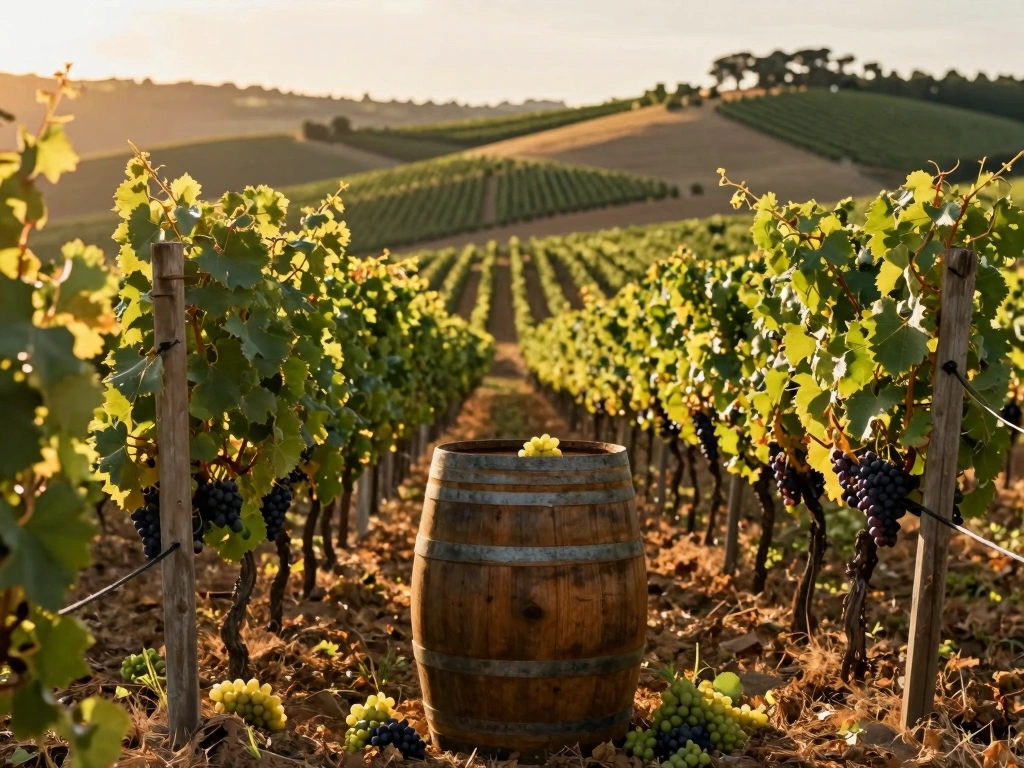
Established in 1984, the Clarksburg AVA is located within Yolo County, bordered by the Sacramento River Delta. It is defined by its rich alluvial soils and unique microclimates, which result from its proximity to waterways and its sheltered valleys. The AVA is home to approximately 15 vineyards, many of which employ organic farming practices, emphasizing sustainability in their wine production.
Unique Environment for Winemaking
The Clarksburg AVA’s environment plays a pivotal role in producing exceptional wines. The region benefits from a Mediterranean climate characterized by warm, dry summers and cool, foggy winters, ideal for grape growing. The delta breezes help regulate temperatures, maintaining a cooler microclimate that aids in the slow ripening of the grapes, enhancing flavor development and complexity.
Importance of Varietals in Clarksburg
Varietals are fundamental to wine production, affecting flavor, aroma, and the overall character of the wine. In Clarksburg, the diverse range of varietals produced, including Chenin Blanc and Petite Sirah, showcases the region’s versatility and potential. Understanding these varietals highlights the affect of terroir and winemaking techniques, providing wine lovers with a rich tapestry of flavors to explore.
Key Varietals Grown in Clarksburg
Chenin Blanc: The Star of Clarksburg
Chenin Blanc is arguably the most celebrated varietal of the Clarksburg AVA, thriving in its unique climatic conditions. This versatile grape variety produces a spectrum of wines, from crisp and dry to sweet and luscious. The Chenin Blanc from Clarksburg is known for its vibrant fruit flavors, floral aromas, and refreshing acidity, making it a favorite among both consumers and winemakers.
Petite Sirah: A Robust Option
Petite Sirah, another prominent varietal in Clarksburg, is famed for its deep color, bold flavors, and smooth tannins. This varietal tends to produce wines that are rich and full-bodied, often featuring notes of blackberry, plum, and pepper. The expression of Petite Sirah in Clarksburg demonstrates the region's ability to create bold wines that can age exceptionally well.
Other Notable Varietals
Aside from Chenin Blanc and Petite Sirah, Clarksburg AVA boasts a rich variety of other wines. Grapes such as Sauvignon Blanc, Chardonnay, Grenache Blanc, and Syrah also flourish here. This diverse lineup allows for a wide range of wine styles, catering to different palates and preferences. The unique microclimates and soil compositions in Clarksburg contribute significantly to the character of these varietals.
Clarksburg AVA Production Methods
Farming Practices and Sustainability
Farming practices in Clarksburg focus heavily on sustainability, with many vineyards employing organic and environmentally-friendly techniques. These practices help enhance soil health, promote biodiversity, and lead to the production of high-quality grapes. Growers often utilize cover crops and reduce chemical inputs, focusing instead on integrated pest management and natural fertilizers.
Wine-Making Techniques Unique to Clarksburg
Clarksburg winemakers employ innovative techniques that reflect their commitment to quality. Traditional methods, such as native yeast ferments and barrel aging, are often used, allowing the wines to express their terroir fully. The combination of modern technology within the wineries and respecting traditional practices contributes significantly to the unique offerings from Clarksburg.
Understanding Terroir's Role
Terroir is a concept integral to winemaking, referring to the complete environment in which grapes are grown, including soil, climate, and topography. In Clarksburg, the diverse terroir leads to a wide range of wine styles. The rich alluvial soils provide essential nutrients, while the region's unique microclimate ensures an ideal growing season, creating optimal conditions for producing diverse high-quality wines.
Visiting Clarksburg AVA: A Wine Lover’s Guide
Top Wineries to Explore
Clarksburg offers a collection of notable wineries that showcase the best of the AVA. Many wineries provide tours and tastings, allowing visitors to delve into the intricate details of the winemaking process. Exploring these establishments not only enhances one’s appreciation for the wines but also provides an opportunity to meet the passionate artisans behind them.
Wine Events and Festivals
Throughout the year, Clarksburg hosts various wine events and festivals that celebrate its viticulture heritage. These gatherings often feature tastings, food pairings, and live music. Such events provide a perfect setting for both wine enthusiasts and casual drinkers to engage with the local wine community and experience the flavors of Clarksburg firsthand.
Tips for Enjoying Clarksburg Wines
When experiencing Clarksburg wines, consider attending tastings to discover the nuances between varietals. Pairing these wines with local food enhances the tasting experience and provides insights into how regional cuisine complements the unique flavors of Clarksburg wines. Always check the winery’s schedule for special events or seasonal releases that elevate the visit.
Future of Clarksburg AVA Wines Varietals
Trends in Varietal Popularity
As consumer preferences evolve, there is a rising interest in lesser-known varietals and sustainability-conscious practices. The popularity of grapes like Chenin Blanc is expected to surge as more consumers seek out unique flavor profiles that deviate from mainstream options. Clarksburg stands poised to enhance its reputation as a producer of distinctive, high-quality wines.
Challenges Facing Clarksburg AVA
Despite its many strengths, the Clarksburg AVA faces several challenges. Climate change poses a risk to traditional growing seasons, potentially altering grape ripening and quality. Moreover, maintaining sustainable practices requires continuous adaptation and education among growers to tackle environmental and market changes.
Opportunities for Growth and Innovation
The future of Clarksburg's wine industry is promising, with ample opportunities for growth and innovation. Embracing technology in viticulture and winemaking practices can enhance efficiency and produce even higher-quality wines. Collaborative marketing efforts among wineries can amplify the region's presence in the wine market, attracting a broader audience to the unique offerings of Clarksburg.
FAQs
What types of grapes are primarily grown in Clarksburg AVA?
Clarksburg AVA primarily grows Chenin Blanc, Petite Sirah, Sauvignon Blanc, Chardonnay, and many others, showcasing its diverse winemaking capabilities.
Are there organic wineries in Clarksburg?
Yes, many wineries in Clarksburg practice organic farming, emphasizing sustainability and natural methods to enhance the quality of their grapes.
What wine festivals occur in Clarksburg?
Clarksburg hosts various wine festivals throughout the year, offering tastings, food pairings, and entertainment, perfect for wine lovers.
How can I experience Clarksburg wines?
You can experience Clarksburg wines through winery tours, tastings, and events, providing a detailed understanding of their unique characteristics.
Is Clarksburg a good destination for wine tourism?
Absolutely! Clarksburg offers picturesque scenery, numerous wineries, and engaging events, making it an excellent destination for wine tourism enthusiasts.