Understanding Gradal Excavators
What is a Gradal Excavator?
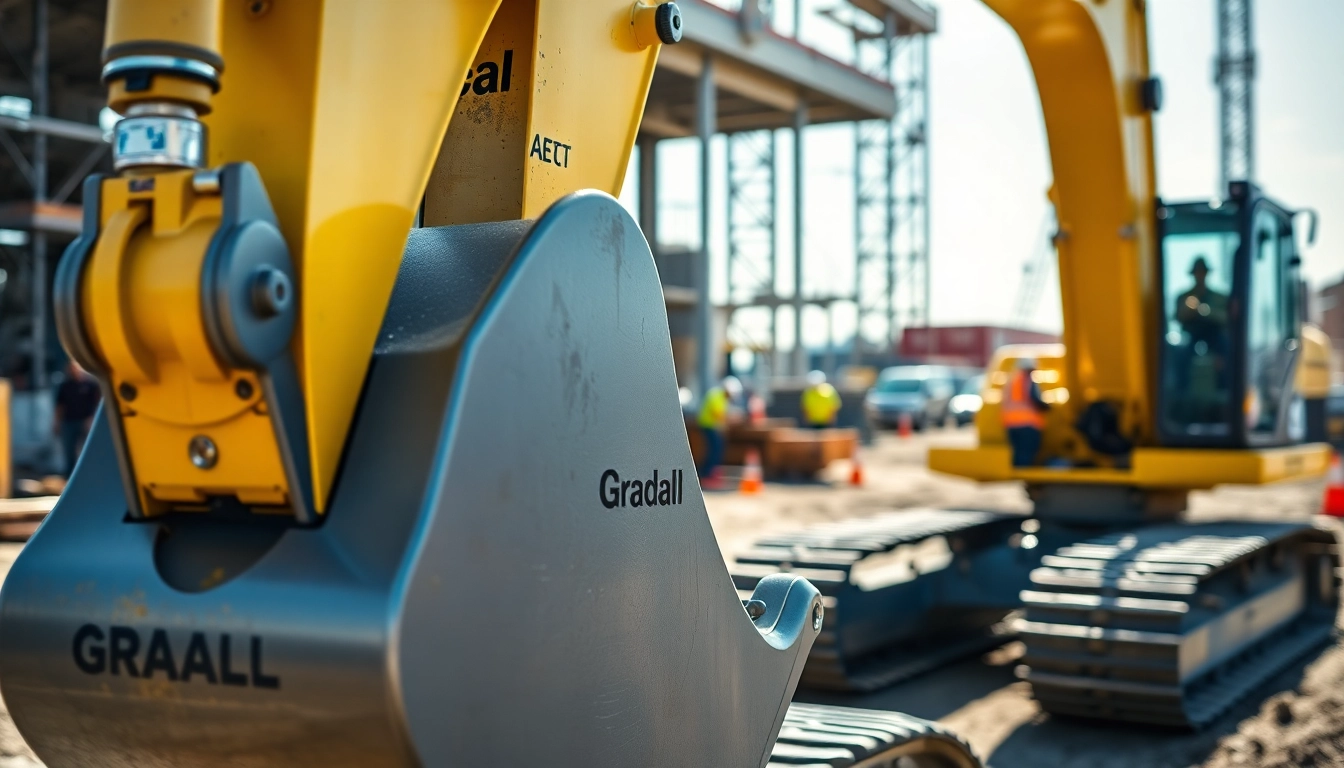
Gradal excavators are a specialized type of heavy machinery designed to combine the functionalities of traditional excavators with added versatility and efficiency. Unlike standard excavators that may be limited to specific environments, Gradal excavators are engineered to operate effectively in various terrains, including urban settings, rough landscapes, and highway work zones. This adaptability makes them a vital asset in modern construction and infrastructure projects. To explore more about gradal excavators, gradal is a term that embodies the core characteristics of these machines.
Key Features of Gradal Excavators
Gradal excavators come equipped with numerous innovative features that enhance their operational capabilities. These include:
- Telescoping Booms: Allow for greater reach and flexibility without repositioning the machine.
- Advanced Hydraulic Systems: Provide precise control over movements, improving efficiency and accuracy in tasks.
- Multi-terrain Capabilities: Designed for optimal performance on both rugged terrains and smooth surfaces, making them ideal for various construction sites.
- Compact Design: Their smaller size allows for better maneuverability in tight spaces, particularly useful in urban construction.
Benefits of Using Gradal Excavators
The utilization of Gradal excavators offers several distinct advantages to contractors and operators:
- Enhanced Productivity: Their specialized design allows for quicker completion of tasks, thus boosting overall project timelines.
- Cost-efficiency: With their ability to perform multiple functions, these excavators reduce the need for multiple machines, leading to lower operational costs.
- Improved Safety: Featuring advanced stability and control systems, they minimize risks associated with heavy machinery operations.
- Lower Environmental Impact: Many models are designed to meet stringent emission standards, contributing to greener construction practices.
Applications of Gradal Excavators
Common Uses in Construction
Gradal excavators play a crucial role in diverse construction activities. They are commonly used for:
- Excavation Work: Efficiently digging and moving earth for foundations and landscaping.
- Material Handling: Ideal for lifting and transporting materials across job sites.
- Demolition: Their robust design allows them to handle heavy-duty tasks, including tearing down structures.
Gradal Excavators in Urban Projects
In urban environments, Gradal excavators excel due to their compact size and versatile functionalities. They can:
- Access Tight Spaces: Maneuver through narrow streets and crowded construction sites, making them perfect for city projects.
- Reduce Noise Pollution: Many models are designed to operate quietly, minimizing disruptions in residential areas.
- Avoid Ground Damage: Their advanced technology allows for precision work without damaging surrounding infrastructure.
Versatility Across Different Terrains
What sets Gradal excavators apart is their exceptional adaptability. They are effective in:
- Rural Areas: Handling landscaping and agricultural work where traditional heavy equipment might struggle.
- Construction Sites: Performing dual function tasks such as excavating and material transportation.
- Paved Surfaces: Ideal for street repairs and maintenance work, thanks to their highway-speed capabilities.
Choosing the Right Gradal Excavator
Factors to Consider When Selecting
Selecting the right Gradal excavator involves evaluating several key factors:
- Job Requirements: Understand the specific tasks you need the excavator for. Different jobs may require different specifications.
- Weight Capacity: Ensure that the machine can handle the required load without compromising performance.
- Terrain Type: Consider whether the excavator will primarily be used on flat surfaces, rough terrain, or both.
- Budget: Assess your budget not just for purchase but also for maintenance costs.
Gradal Excavator Sizes Explained
Gradal excavators come in various sizes, each suited for different tasks:
- Mini Excavators: Best for smaller projects, tight spaces, and delicate tasks.
- Standard Excavators: Versatile for a range of construction tasks, offering a balance between power and size.
- Large Excavators: Suitable for heavy-duty excavation, mining operations, and large-scale construction.
Expert Tips for Equipment Maintenance
Maintaining your Gradal excavator is vital for longevity and performance. Here are some best practices:
- Regular Inspections: Schedule frequent check-ups to ensure all systems are functioning efficiently.
- Fluid Checks: Regularly inspect hydraulic fluids, oils, and coolant levels to avoid overheating and system failure.
- Clean the Undercarriage: Keeping the undercarriage clean prevents costly repairs caused by debris buildup.
- Training Operators: Invest in proper training to ensure safe and efficient machine handling, which also reduces wear and tear.
Comparing Gradal with Other Excavators
Strengths of Gradal Over Competitors
While there are many excavators on the market, Gradal offers unique advantages:
- Innovative Design: Gradal excavators feature designs that prioritize mobility and flexibility.
- Advanced Technology: Enhanced hydraulic systems provide better precision and control.
- Higher Resale Value: Due to their durability and performance, Gradal machines retain value over time.
Cost-effectiveness of Gradal Models
When evaluating the cost-effectiveness of Gradal excavators:
- Initial Investment: While some models may have a higher upfront cost, their efficiency can lead to savings over their operational life.
- Maintenance Costs: Gradal excavators often require less frequent maintenance compared to typical models, reducing overall costs.
- Operational Efficiency: Enhanced productivity leads to quicker project completion, maximizing return on investment.
User Experiences and Reviews
Users have consistently highlighted several positive attributes of Gradal excavators:
- Reliability: Operators report high levels of dependability and performance even in challenging conditions.
- User-friendly Controls: Many find the operating system intuitive, minimizing the learning curve for new users.
- Versatile Applications: Reviews often mention successful usage across different construction scenarios, proving their adaptability.
Future of Gradal Technology in Heavy Equipment
Innovations in Gradal Excavators
The landscape of heavy equipment is rapidly evolving, with Gradal being at the forefront of innovation:
- Smart Technology: Integration of IoT devices enhances monitoring and data collection, improving operational efficiency.
- Electric Models: Development of electric Gradal excavators is underway, focusing on sustainability without sacrificing power.
- Advanced Safety Features: Incorporation of AI technology to enhance safety measures and reduce human error.
Impact of Technology on Performance
Technological advancements are set to redefine excavator performance:
- Increased Efficiency: Machinery powered by AI and smart modifications significantly improves job efficiency.
- Enhanced Maintenance: Predictive analytics can foresee equipment failures, leading to timely maintenance interventions.
- Real-time Performance Monitoring: Operators gain insights into machine performance, allowing for better decision-making.
Sustainability and Eco-friendly Practices
As environmental concerns rise, Gradal is focusing on sustainable practices, including:
- Reducing Emissions: New models aim to comply with stricter emission regulations.
- Recyclable Materials: The usage of recyclable materials in manufacturing is increasing, contributing to a circular economy.
- Energy Efficiency: Improving fuel efficiency minimizes the carbon footprint associated with excavation projects.
FAQs about Gradal Excavators
1. What is the primary advantage of using a Gradal excavator?
The primary advantage of using a Gradal excavator lies in its versatility, allowing it to operate effectively across various terrains and construction projects.
2. How do I maintain a Gradal excavator?
Regular inspections, fluid checks, cleaning the undercarriage, and training operators are essential for maintaining a Gradal excavator's performance and longevity.
3. Are Gradal excavators suitable for urban construction?
Yes, Gradal excavators are designed to access tight spaces and conduct operations efficiently in urban environments.
4. How do Gradal excavators compare to traditional excavators?
Gradal excavators typically offer enhanced mobility, advanced hydraulic systems, and greater versatility than traditional models, making them more efficient for diverse tasks.
5. What innovations are being integrated into Gradal excavators?
Innovations include smart technology for monitoring, electric models for sustainability, and enhanced safety features driven by AI technology.