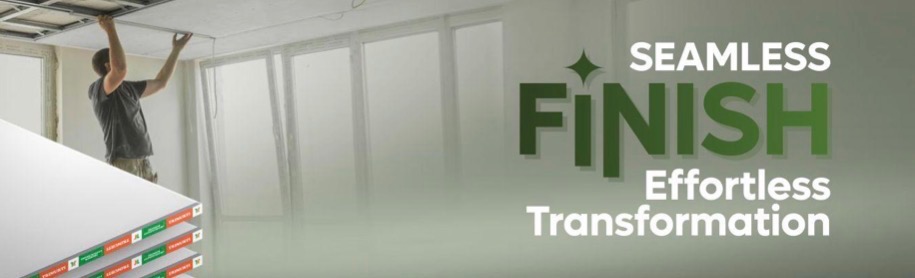
Modern interiors rely heavily on innovative design elements that enhance both aesthetics and functionality. Among these, ceiling design plays a major role in defining the overall character of a space. The use of false ceiling has become an essential part of contemporary architecture, helping create smooth finishes, improved lighting effects, and enhanced room comfort.
A well-designed ceiling not only improves visual appeal but also contributes to better insulation and sound control. With evolving construction trends, homeowners and designers are increasingly exploring creative ceiling solutions that blend style with practicality.
Importance of Ceiling Design in Modern Interiors
Ceiling design is no longer considered a secondary element in interior planning. It has become a central feature that influences the mood, lighting, and spatial perception of a room. A thoughtfully designed ceiling can completely transform the atmosphere of any interior space.
Modern construction focuses on integrating ceiling systems that offer both beauty and functionality. These designs help conceal wiring, improve lighting distribution, and create visually balanced interiors.
Role of False Ceiling in Interior Enhancement
The introduction of ceiling systems has revolutionized interior design by offering flexibility and aesthetic improvement. A well-planned false ceiling enhances room proportions and provides opportunities for creative lighting arrangements.
It also helps in improving thermal insulation and reducing external noise, making indoor spaces more comfortable. Designers prefer these systems because they allow customization according to room size, purpose, and style requirements.
Material Selection for Ceiling Design Systems
Choosing the right material is essential for achieving durable and visually appealing ceiling structures. Each material offers different benefits depending on application needs and design goals.
1. Strength and Durability
Strong materials ensure that ceiling structures remain stable over time. They prevent sagging, cracks, and long-term wear, maintaining the integrity of the design.
2. Aesthetic Compatibility
Materials should complement interior themes and color schemes. This ensures a harmonious and visually appealing ceiling finish.
3. Installation Flexibility
Flexible materials allow easier installation and customization. This helps in achieving complex designs without compromising structural quality.
4. Maintenance Requirements
Low-maintenance materials are preferred for long-term use. They reduce repair needs and ensure lasting visual appeal.
5. Environmental Resistance
Materials that resist moisture and temperature changes improve ceiling durability and performance in different environments.
Application Techniques in Ceiling Installation
Proper installation techniques play a crucial role in achieving high-quality ceiling finishes. Skilled application ensures durability, alignment, and smooth surface quality.
● Framework Preparation
A strong framework is essential for supporting ceiling structures. It ensures stability and prevents structural issues over time.
● Panel Fixing Process
Accurate panel placement ensures uniform appearance and proper alignment. This step is critical for achieving smooth ceiling finishes.
● Leveling and Alignment
Proper leveling ensures that the ceiling remains even across the entire surface. It enhances visual consistency and structural accuracy.
● Finishing Treatments
Final finishing improves surface smoothness and prepares the ceiling for painting or decorative work.
● Lighting Integration
Proper integration of lighting systems enhances both the functionality and aesthetics of modern ceiling designs.
Advantages of Gypsum-Based Ceiling Systems
Modern ceiling designs often rely on gypsum-based materials due to their versatility and performance benefits. These systems offer a combination of strength, flexibility, and aesthetic appeal.
The use of gypsum false ceiling provides smooth surface finishes and allows designers to create creative patterns and shapes. It is widely used in residential and commercial spaces for its lightweight nature and easy installation process.
Another advantage of a gypsum false ceiling is its ability to improve fire resistance and acoustic performance. This makes it suitable for spaces that require both safety and comfort.
Design Trends in Modern Ceiling Systems
Contemporary interior design focuses on innovative ceiling styles that enhance spatial experience and visual appeal. These trends reflect both functionality and artistic creativity.
1. Minimalist Ceiling Designs
Simple and clean designs are becoming popular for modern interiors. They create a spacious and elegant look.
2. Layered Ceiling Structures
Layered designs add depth and dimension to interiors. They help define different zones within a room.
3. Integrated Lighting Designs
Lighting integration enhances ambiance and highlights architectural features of the ceiling.
4. Geometric Patterns
Geometric designs add a modern and artistic touch to ceiling structures, improving visual interest.
5. Color-Blended Finishes
Soft color transitions on ceilings create a balanced and soothing interior environment.
Functional Benefits of Ceiling Systems
Modern ceiling systems offer several functional advantages beyond visual enhancement. They contribute to comfort, efficiency, and improved living conditions.
● Thermal Insulation
Ceiling systems help regulate indoor temperature, making spaces more energy-efficient and comfortable.
● Sound Control
They reduce noise levels, improving acoustic comfort in residential and commercial environments.
● Wiring Concealment
Ceiling designs help hide electrical wiring and pipes, maintaining a clean interior appearance.
● Energy Efficiency
Proper lighting integration within ceilings reduces energy consumption and improves illumination quality.
● Space Optimization
Ceiling designs help optimize room perception, making spaces appear larger and more structured.
Challenges in Ceiling Installation Projects
While ceiling systems offer many benefits, proper execution is essential to avoid common challenges during installation and maintenance.
1. Structural Limitations
The ceiling depends on a strong base structure for stability. Weak or uneven frameworks can cause long-term issues. Proper load assessment ensures safe and durable performance.
2. Installation Accuracy
Poor installation can lead to uneven finishes and reduced strength. Even small errors affect alignment and appearance. Precise work ensures smooth and durable results.
3. Material Handling
Improper handling can damage materials and reduce quality. Safe storage and transport maintain integrity. This ensures a better finish and performance.
4. Environmental Impact
Humidity and temperature can affect ceiling stability. Moisture may weaken bonding over time. Suitable materials improve durability in all conditions.
Innovations in Ceiling Design Technology
Technological advancements have significantly improved ceiling design systems, making them more efficient and customizable. Modern solutions focus on durability, aesthetics, and performance.
The use of false ceiling systems has evolved with better materials and installation techniques, allowing more complex and visually appealing designs.
Innovations also include improved soundproofing materials, lightweight structures, and energy-efficient lighting integration, all of which enhance overall interior performance.
Conclusion
Modern ceiling design solutions play a vital role in enhancing the beauty, comfort, and functionality of interior spaces. From aesthetic improvements to practical benefits like insulation and sound control, ceiling systems have become an essential part of contemporary architecture. The use of Trimurti wall care products further supports high-quality finishing standards, ensuring long-lasting, refined interior results.
Within the construction and interior design industry, companies like Trimurti Products help deliver reliable solutions that create stylish, durable, and high-performance interior spaces suitable for modern living.