The Importance of slot qris in Modern Retail
In recent years, the retail landscape has undergone a seismic shift, driven by the rise of digital payments. Among these innovations, slot qris has emerged as a game-changing technology that offers retailers new ways to interact with their customers. As consumers increasingly seek convenience and efficiency in their shopping experiences, adopting slot qris becomes essential for retailers aiming to remain competitive. This article explores what slot qris is, its benefits, the challenges retailers face in implementing it, best practices, and future trends that will shape its use in the retail sector.
Understanding slot qris: What is it?
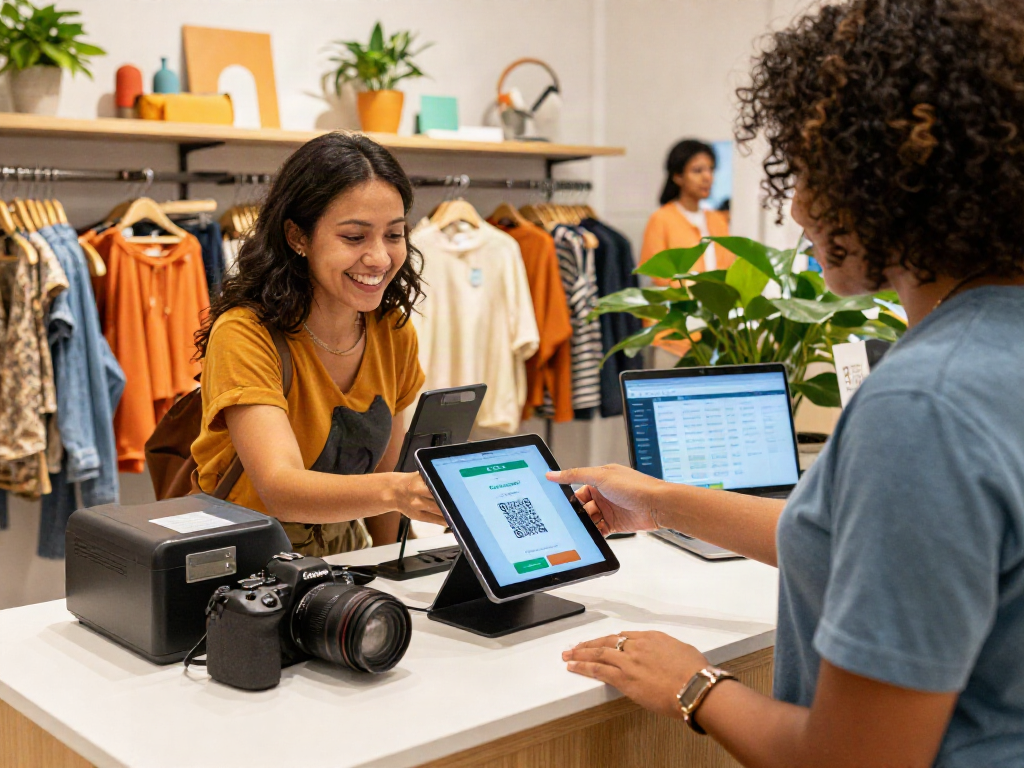
Slot qris, or Quick Response Code Indonesian Standard, is a payment method that leverages QR codes to facilitate seamless transactions between consumers and retailers. Designed to simplify the payment process, slot qris allows customers to scan a QR code displayed by the retailer using their smartphones, which directs them to a secure payment interface. This system is not only quick and efficient but also highly accessible, as it can work across various platforms and devices.
The implementation of slot qris is particularly significant in the context of Indonesia's growing digital economy, where cashless transactions are becoming the norm. By providing a standardized payment solution, it enables interoperability among different digital wallet providers, making it easier for consumers to make payments regardless of their chosen service.
Benefits of adopting slot qris for retailers
The advantages of implementing slot qris in retail operations are manifold. Firstly, it significantly streamlines the checkout process, reducing wait times for customers and enhancing their overall shopping experience. Retailers can benefit from faster transaction times and improved efficiency, ultimately leading to higher customer satisfaction and repeat business.
Secondly, slot qris promotes financial inclusivity by accommodating a broader range of consumers, including those without traditional banking services. Its ease of use encourages more transactions and drives sales growth for businesses. Additionally, slot qris can reduce costs associated with handling cash, such as theft and the need for cash registers, while also minimizing human error in processing payments.
How slot qris enhances customer experience
By integrating slot qris into their payment systems, retailers can offer a more personalized shopping experience. For instance, retailers can utilize data generated from transactions to better understand consumer preferences and behaviors, allowing for targeted marketing initiatives. This can enhance customer engagement by delivering promotions and discounts that align with individual shopping habits.
Moreover, the convenience of slot qris aligns with the evolving consumer expectations of instant gratification and hassle-free transactions. With a simple scan, customers can complete their purchases without the need for physical cash or cards, leading to a more enjoyable shopping journey.
Challenges Retailers Face with slot qris Adoption
While the potential benefits of slot qris are significant, retailers also face several challenges when adopting this technology. Understanding these obstacles is crucial for successful implementation and maximizing returns on investment.
Common misconceptions about digital payments
One of the main barriers to adopting slot qris is a lack of understanding among both consumers and business owners. Many retailers may hold misconceptions about the security and reliability of digital payments, fearing potential fraud or technical failures. Educating stakeholders about the benefits and mechanics of slot qris is essential to overcome this skepticism and foster a culture of trust in digital transactions.
Technical challenges and solutions
Integrating slot qris into existing financial systems can pose technical difficulties. Retailers may need to update their point-of-sale (POS) systems to be compatible with slot qris, which may require significant investment in new technology. Partnering with experienced service providers can help ease this transition, as they can offer the necessary infrastructure and support for integration.
Overcoming resistance from customers and staff
Resistance to change can also emerge from both customers and employees. Some may prefer traditional payment methods, while others may require training to use the new system effectively. Retailers can address these concerns through targeted training programs and clear communications highlighting the benefits of using slot qris, ultimately fostering a culture of adaptability within the organization.
Best Practices for Implementing slot qris
To ensure a smooth transition to slot qris, retailers should adhere to a set of best practices. These strategies will facilitate successful implementation and optimization of the technology in their operations.
Integrating slot qris into existing systems
Before implementation, retailers should conduct a thorough assessment of their current payment systems. This includes identifying necessary upgrades to hardware and software that will support slot qris. A phased rollout strategy can help minimize disruption to daily operations and allow for testing and adjustments.
Training staff for effective use of slot qris
Comprehensive training programs are vital for ensuring that staff members are well-versed in using slot qris. This training should cover not only the technical aspects of the payment system but also customer service techniques to assist shoppers who may be unfamiliar with the technology. Empowered employees can greatly enhance the overall customer experience.
Ensuring security and compliance
Security is a paramount concern when adopting any digital payment method. Retailers must ensure that their slot qris systems comply with industry regulations and data protection standards. Implementing robust security measures, such as encryption and two-factor authentication, can help mitigate risks and safeguard customer information.
Real-World Case Studies of Successful slot qris Implementation
Examining case studies of retailers who have successfully implemented slot qris can provide valuable insights and inspiration for others considering this transition.
Case study: A boutique’s success story
Consider a local boutique that adopted slot qris as part of its digital transformation strategy. By offering QR code-based payments, the boutique saw a 30% increase in sales within the first three months of implementation, primarily driven by improved customer satisfaction and repeat visits. They utilized customer feedback to continuously refine their offerings, further enhancing their competitive edge.
Case study: How a major retailer improved sales
A major chain retailer integrated slot qris across its locations, allowing customers to pay through multiple digital wallets. As a result, they reported a 25% reduction in checkout times, which led to a significant uptick in overall transactions. They also conducted promotional campaigns that incentivized the use of slot qris, further driving adoption among their customer base.
Key takeaways from industry leaders
Industry leaders emphasize the importance of adaptability, customer engagement, and robust infrastructure in the successful implementation of slot qris. By prioritizing these factors, retailers can create a more seamless and engaging shopping experience for their customers, driving loyalty and sales growth.
Future Trends for slot qris in Retail
The future of slot qris in retail is bright, with several emerging trends that are expected to shape its evolution. Retailers must stay informed and adapt to these changes to maintain their competitive advantages.
Evolving technologies and consumer behaviors
As technology continues to advance, retailers will need to keep pace with new innovations that enhance slot qris capabilities. For example, the integration of artificial intelligence may offer personalized shopping experiences, while blockchain could improve transaction security and transparency.
Anticipating the next big changes for slot qris
Changes in consumer behavior, particularly post-pandemic, indicate a long-lasting preference for contactless and digital payment methods. Retailers should anticipate this shift and prepare to adapt their strategies accordingly, ensuring they meet consumer expectations.
Preparing for 2026: What retailers need to know
Looking ahead to 2026, retailers must focus on enhancing their digital payment infrastructures, creating engaging user experiences, and effectively educating consumers on the benefits of slot qris. Staying ahead of industry trends and technological advancements will be critical in navigating the future retail landscape.
FAQs
What is slot qris and why is it important?
Slot qris is a standardized digital payment method that uses QR codes for transactions. Its importance lies in its ability to streamline payment processes, improve customer experiences, and drive sales growth for retailers.
How can slot qris improve my store's profitability?
By reducing transaction times, minimizing cash handling costs, and enhancing customer satisfaction, slot qris can significantly boost profitability through increased sales and customer retention.
What are the security risks associated with slot qris?
While slot qris is generally secure, potential risks include data breaches and fraud. Implementing strong security measures, such as encryption and compliance with regulatory standards, can help mitigate these risks.
How do I train my staff on slot qris?
Training should encompass both the technical aspects of using slot qris and customer service best practices. Hands-on workshops and ongoing support can ensure that staff are comfortable and proficient with the new payment system.
What trends should retailers watch regarding slot qris?
Retailers should pay attention to evolving consumer preferences for digital payments, advancements in technology that enhance transaction security, and the growing emphasis on financial inclusivity in the retail sector.. Additionally, slot777 provides further details.