Understanding Equipment Transportation
Definition and Importance
Equipment transportation involves the movement of heavy machinery and tools from one location to another, typically requiring specialized vehicles and expertise. This logistical challenge is crucial for industries such as construction, agriculture, and manufacturing, where timely delivery of equipment can significantly impact project timelines and operational efficiency. Understanding the intricacies of equipment transportation is fundamental to ensuring the successful execution of these operations.
Types of Equipment Transport
Equipment transport can be classified into several types, each serving different purposes based on the size, weight, and type of machinery being moved. The primary categories include:
- Heavy Equipment Transport: Involves moving oversized loads including excavators, cranes, and loaders.
- Light Equipment Transport: Includes smaller machinery like forklifts, lawn tractors, and other lighter tools.
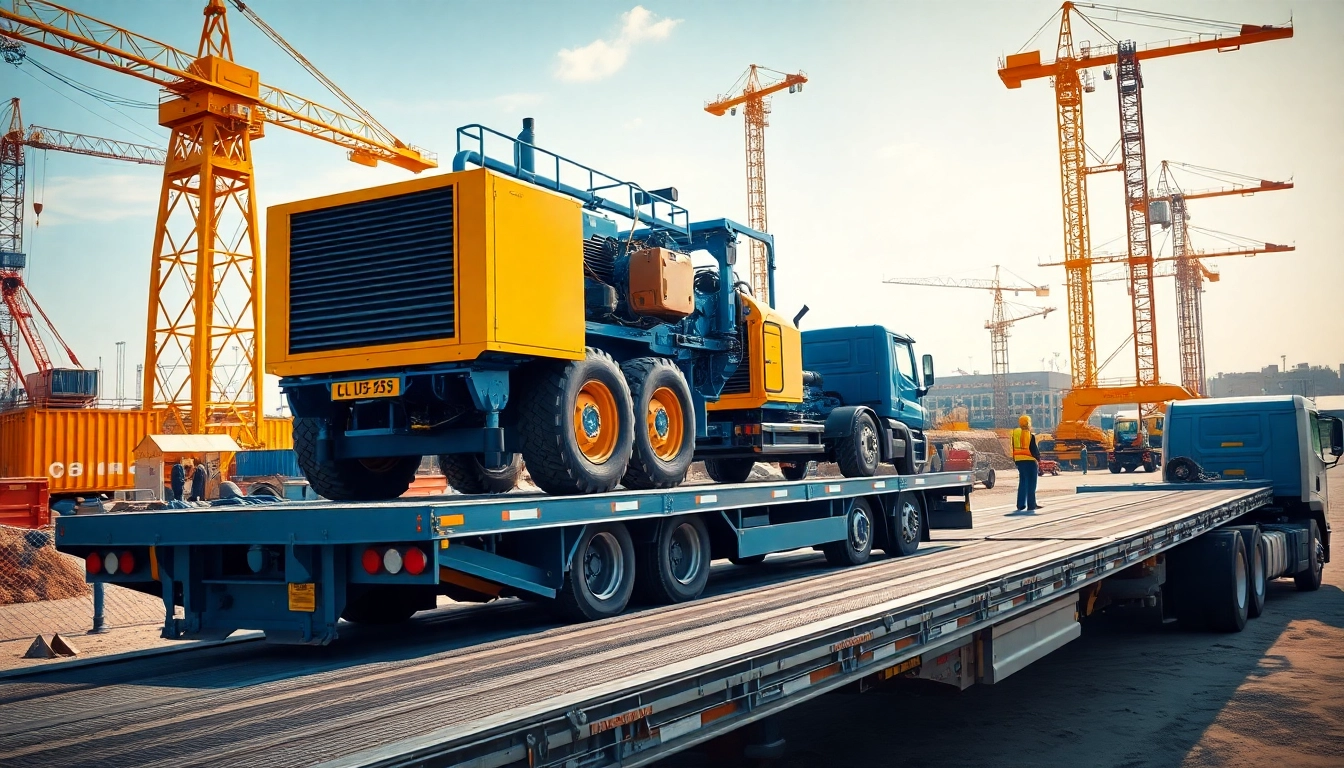
- Flatbed Transport: Utilizes flatbed trailers for secure placement of equipment, suitable for varying sizes.
- Enclosed Transport: Offers protection from the elements for sensitive equipment during transit.
Key Components of Effective Transportation
Effective equipment transportation hinges on several components including:
- Planning: Comprehensive route analysis and logistics management.
- Vehicle Selection: Choosing the right type of truck or trailer designed for the load specifications.
- Load Security: Employing proper securing techniques to prevent movement during transport.
- Communication: Keeping all parties informed regarding schedules, protocols, and expectations.
Regulations and Compliance in Equipment Transportation
Understanding Legal Requirements
Equipment transportation is governed by a host of legal regulations that differ by state and federal laws. These laws dictate how oversized and overweight loads should be managed. Compliance with these regulations is essential to avoid fines and delays.
Permitting and Oversized Loads
Transporting oversized loads often necessitates specific permits that confirm the vehicle's adherence to required dimensions and safety protocols. This process can involve navigating complex administrative steps and sometimes securing police escorts for particularly large shipments.
Compliance Challenges and Solutions
Challenges such as varying state laws, load limitations, and local ordinances can complicate equipment transportation. Solutions may include developing a compliance checklist to ensure that all legal and regulatory obligations are met throughout the transport process.
Best Practices for Safe Equipment Transportation
Pre-Transport Inspection
Before transporting any equipment, conducting a thorough inspection is crucial. This includes checking for mechanical issues, ensuring that safety equipment is available and functional, and verifying that transport vehicles are in good condition.
Loading and Unloading Procedures
Establishing standardized loading and unloading procedures can prevent accidents and equipment damage. This often involves using ramps, cranes, or hoists and employing trained personnel to carry out these procedures safely and efficiently.
Monitoring During Transit
Tracking equipment while in transit is vital for ensuring the safety of the load. Utilizing GPS technology or transportation management systems can provide real-time updates and allow for prompt responses in case of delays or other issues.
Costs and Budgeting for Equipment Transportation
Factors Influencing Transportation Costs
Transportation costs can fluctuate based on several factors, such as distance, weight of the equipment, route complexity, and any required permits. Industries should evaluate these elements while budgeting for transportation needs.
Calculating Total Expenses
To arrive at a comprehensive total cost of equipment transportation, consider all potential expenses: labor, fuel, tolls, and other ancillary costs. Creating a detailed budget can help eliminate surprise costs during the transportation process.
Cost-Saving Strategies
Finding ways to reduce transportation costs can significantly benefit overall budgets. This might include consolidating shipments, negotiating bulk transport rates, or choosing strategic shipment times that avoid peak traffic.
FAQs About Equipment Transportation
How much does it cost to transport equipment?
The cost to transport equipment varies widely, generally ranging from $2 to $5 per mile, depending on size, weight, and distance.
What are the four main types of transport?
The four main types of transport are road, rail, air, and water transport, each serving different purposes based on the goods being moved.
Which mode of transport is cheapest for heavy goods?
Water transport is typically the most cost-effective means for moving heavy and bulkier goods due to lower operational expenses.
What is the role of permits in equipment transportation?
Permits are essential for ensuring compliance with legal requirements for oversized loads, helping avoid fines and ensuring safe transit.
How can companies track equipment during transport?
Companies can utilize GPS tracking systems and transportation management software for real-time monitoring of equipment during transit.
Contact Information
Call Us: 4062607988Address: 3906 MT-40, Columbia Falls, MT 59912