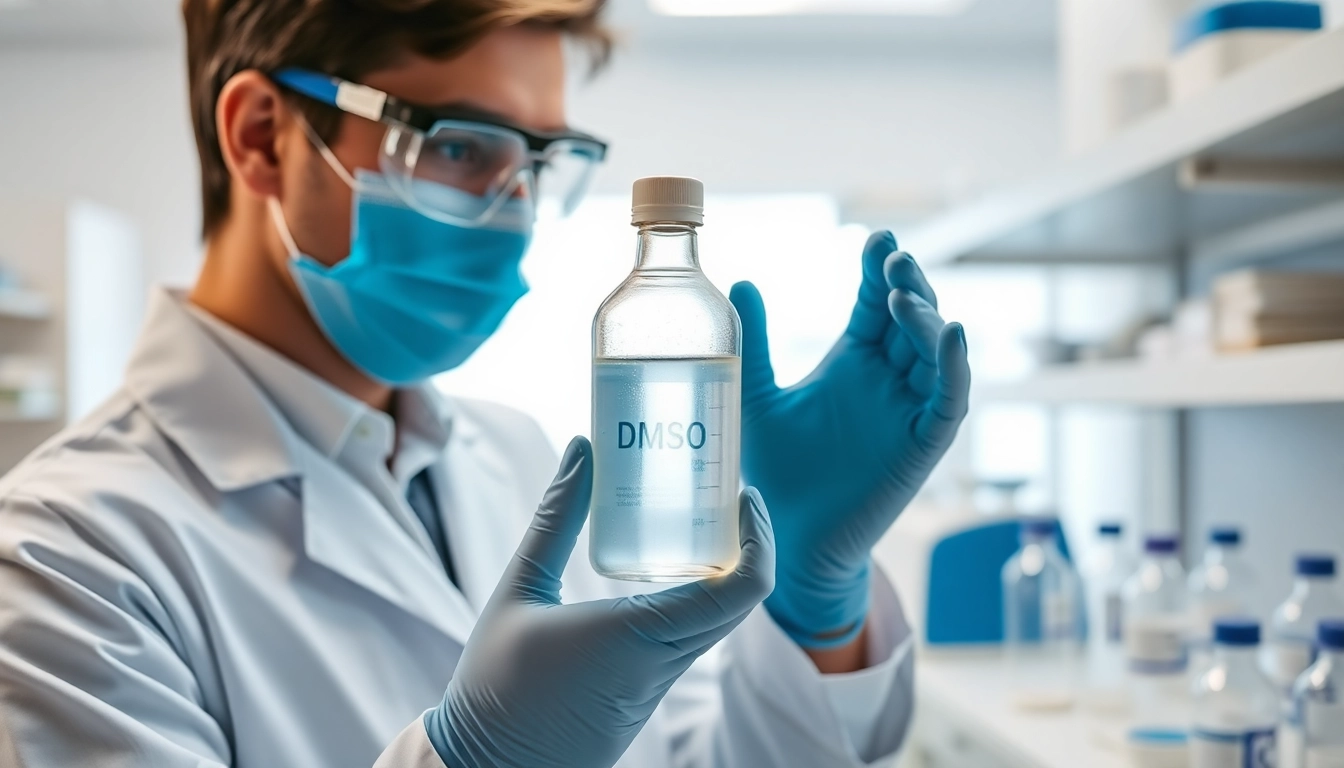
Understanding DMSO: What You Need to Know
What is DMSO?
Dimethyl sulfoxide (DMSO) is a colorless liquid with a distinctive odor, which can be derived from lignin, a natural polymer found in wood. Known for its excellent solvency properties, DMSO is widely used in various industries, ranging from pharmaceuticals to agriculture. Additionally, it has significant applications in the medical field as a topically applied agent due to its high permeability through skin layers. This unique property makes it an effective vehicle for drug delivery.
Benefits of DMSO in Various Applications
DMSO has garnered attention for its numerous benefits, especially in pain management, inflammation reduction, and accelerating wound healing. The anti-inflammatory properties are potent, which is why many athletes use it to alleviate muscle soreness and joint pain. Furthermore, some studies suggest that DMSO might have potential in treating chronic conditions such as arthritis due to its ability to reduce swelling and discomfort.
In addition to its therapeutic uses, DMSO is utilized in laboratory settings to preserve cells and drugs. Its ability to permeate cell membranes makes it invaluable for creating solutions that can protect biological samples during freezing processes. This versatility has cemented DMSO's role across diverse sectors as a reliable substance for scientific and healthcare applications.
Safety Considerations Before Your DMSO Order
While DMSO offers significant benefits, it is crucial to consider safety before placing a dmso order. The product should be pharmaceutical grade to ensure its purity and reduce the risk of contamination. Users must also be aware of potential side effects, such as irritation at the application site or, in rare instances, allergic reactions. Always consult a healthcare professional before using DMSO, especially if there are existing health concerns or ongoing treatments.
Steps to Place a DMSO Order
Choosing the Right DMSO Quality
Quality is paramount when selecting DMSO products. Pharmaceutical grade DMSO, which meets specific standards to ensure safety and efficacy, should be prioritized. This grade is typically 99.9% pure, making it suitable for medical or scientific use. Lower grades, often found in industrial applications, may contain impurities that can adversely affect health or experiment results.
Researching Suppliers for Your DMSO Order
Identifying a reliable supplier is essential. Look for companies that provide transparent information about product sourcing, testing protocols, and certifications. Reading customer reviews and checking for third-party lab tests can give insight into the supplier's credibility. Additionally, consider factors such as shipping times and return policies, as these can significantly impact your overall experience.
Understanding DMSO Packaging and Shipping Options
When ordering DMSO, it's important to understand the various packaging options available, which typically range from small bottles for personal use to larger containers for industrial applications. Ensure the packaging is tightly sealed to prevent contamination and check if the supplier offers insulated shipping to maintain product integrity during transit. Many reputable suppliers offer expedited shipping options, so consider this aspect to get your DMSO when it’s needed.
Best Practices When Using DMSO
How to Store DMSO Products Safely
Storage conditions play a crucial role in maintaining the efficacy and stability of DMSO. The product should be kept in a cool, dark place, away from direct sunlight and heat sources. Ensure the cap is tightly sealed and consider using amber bottles to protect against light degradation. Additionally, always label the contents clearly and store them out of reach of children and pets.
Dos and Don'ts of DMSO Usage
Dos: Always perform a patch test before applying DMSO to larger skin areas. Start with small doses to monitor how your body reacts. Always use gloves when handling DMSO to avoid unintentional absorption through the skin.
Don'ts: Do not mix DMSO with unknown substances, as this can lead to unsafe reactions. Avoid applying DMSO on open wounds or breaks in the skin, which increases absorption of impurities. Lastly, never ingest DMSO unless specifically directed by a healthcare professional.
Common Myths about DMSO Debunked
One prevalent myth is that DMSO is a miracle drug with no side effects. In reality, while DMSO has remarkable properties, it is not without risks. Users must remain vigilant about the source of their DMSO and its concentration level. Another common misconception is that DMSO can be freely combined with any medication or substance. Caution is warranted, as DMSO can alter the effect of various compounds, either enhancing or diminishing their efficacy.
Maximizing the Benefits of Your DMSO Order
Incorporating DMSO in Your Wellness Routine
Integrating DMSO into your wellness routine can enhance recovery from physical activities or chronic pain management. Consider using it topically after workouts to aid in muscle recovery or applying it to soreness in joints. DMSO can also be combined with other medicinal compounds for enhanced effects; however, ensure to consult with a healthcare provider prior to combination use.
How DMSO Interacts with Other Substances
Due to its solvent properties, DMSO can increase the absorption of other compounds. This means that when mixed with medications, DMSO can potentially alter their effects. Users must consult with a healthcare professional regarding safe combinations to ensure the treatments don't negatively interact.
Tracking Results from DMSO Usage
Monitoring the outcomes from DMSO usage is vital for assessing its effectiveness. Keep a journal noting the application dosage, frequency, and any side effects experienced. This detailed record will help users understand how DMSO is impacting their wellness journey and allow for better consultation with healthcare professionals if necessary.
Frequently Asked Questions About DMSO
How do you administer DMSO?
DMSO can be administered topically, orally, or intravenously depending on its application. However, topical application is the most common due to its ease of use.
Can DMSO be used for inflammation?
Yes, DMSO is known for its anti-inflammatory properties and is often used to reduce inflammation and swelling.
Is DMSO safe for topical application?
When used correctly, DMSO is generally safe for topical application. Always perform a patch test first to avoid skin irritation.
Does DMSO have any side effects?
Some users may experience skin irritation, a garlic-like taste, or allergic reactions. It's important to consult with a healthcare professional if unusual symptoms occur.
Can I mix DMSO with other solvents?
Mixing DMSO with other solvents can alter their absorption and effectiveness. Always consult with a healthcare professional before attempting to mix it with other substances.