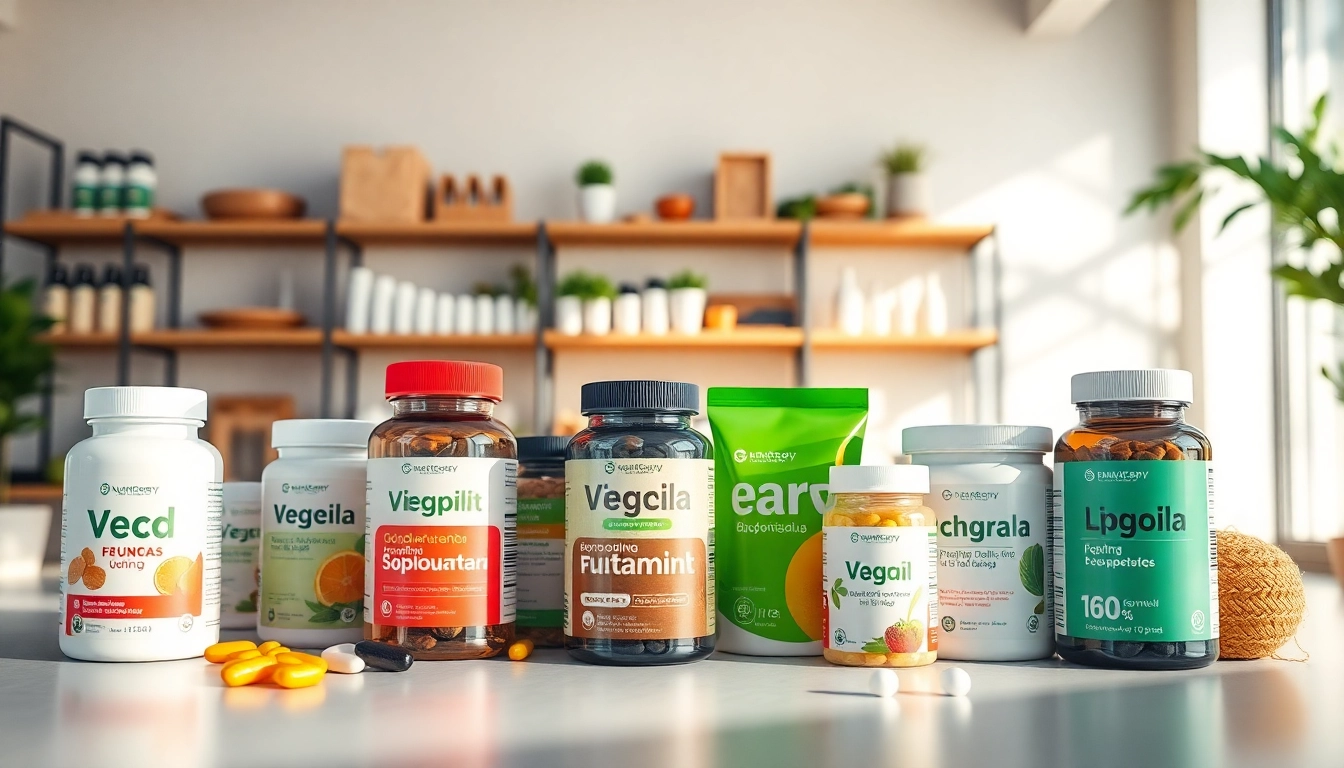
Understanding Nutraceutical Packaging
What is Nutraceutical Packaging?
Nutraceutical packaging refers to the specialized packaging designed to protect and enhance the value of nutraceutical products, which combine nutrition with pharmaceuticals to improve health benefits. The primary goal of this packaging is not only to preserve the product's integrity but also to convey critical information about the nutrients, benefits, and usage. Understanding these aspects can help brands create impactful packaging that appeals to consumers while ensuring the safety and quality of the packaged nutraceuticals. For more insights, consider exploring Nutraceutical Packaging.
Key Features and Benefits
The efficacy of nutraceutical packaging hinges on several key features:
- Barrier Properties: Effective packaging must protect against moisture, light, and air to preserve product efficacy.
- Compliance: Packaging must meet regulatory standards, ensuring consumer safety and transparency about product ingredients.
- User-friendly Design: Packaging should facilitate ease of use, from resealable options to dosage dispensing.
- Aesthetic Appeal: The design must attract consumers, conveying quality and fostering brand loyalty.
Additionally, effective nutraceutical packaging can enhance shelf life, minimize product degradation, and ultimately facilitate informed consumer choices.
Market Trends in Nutraceutical Packaging
The nutraceutical packaging market is undergoing significant changes driven by health trends, environmental factors, and technological advancements. Current trends include:
- Sustainability: There is a growing demand for eco-friendly packaging solutions that reduce environmental impact.
- Smart Packaging: Incorporation of technology, such as QR codes for detailed product information and tamper-evident seals, is on the rise.
- Personalization: Brands are exploring customizable packaging to meet individual consumer preferences.
Understanding these trends allows companies to adapt and create competitive packaging that resonates with the modern consumer.
Types of Nutraceutical Packaging Solutions
Flexible Packaging for Nutraceuticals
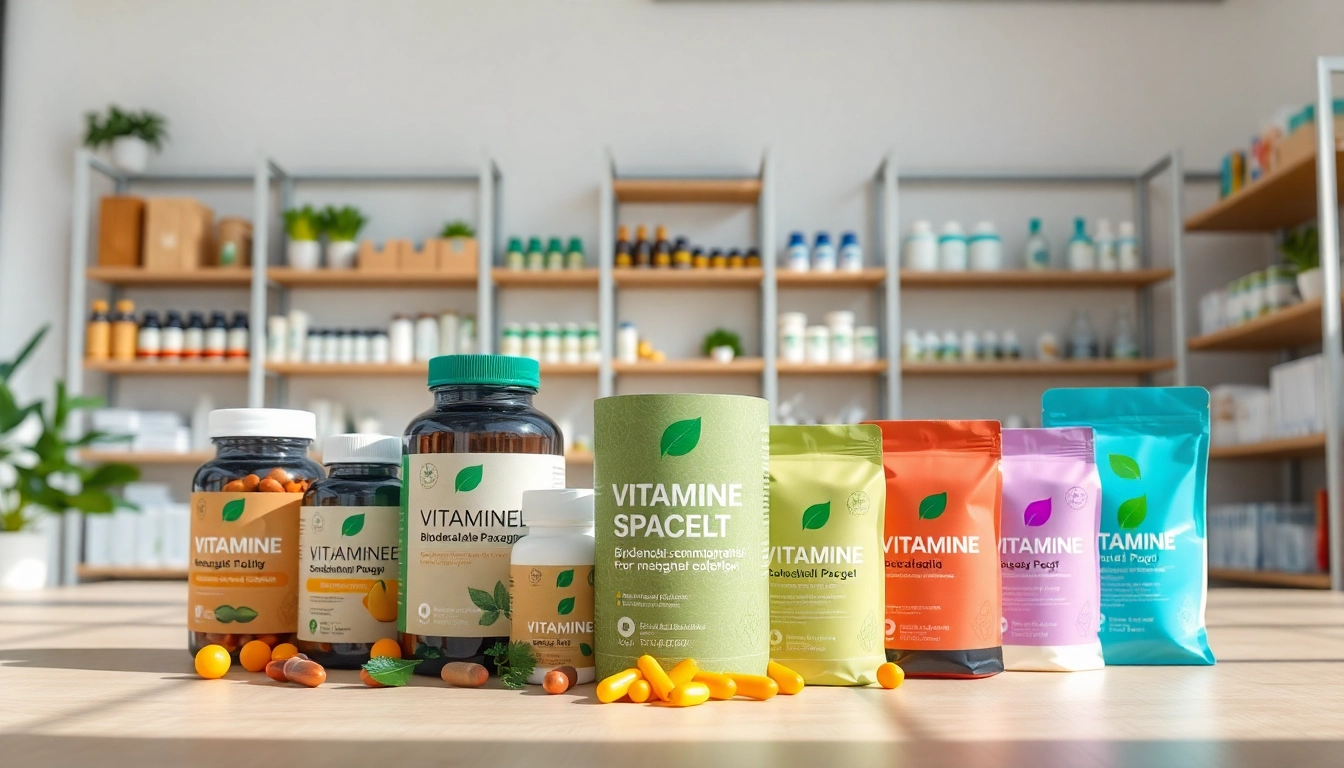
Flexible packaging options, such as pouches, bags, and wraps, are increasingly popular in the nutraceutical segment. They offer lightweight, versatile solutions that can be molded to fit various product formats. Advantages include:
- Reduced Material Waste: Flexible packaging utilizes less material than rigid packaging, minimizing waste.
- Cost-Effectiveness: Lower shipping costs due to reduced weight and efficient manufacturing processes.
- Enhanced Shelf Life: High-barrier materials prevent moisture and light from impacting product quality.
Eco-friendly Nutraceutical Packaging Options
With increasing consumer awareness of environmental sustainability, eco-friendly packaging options are becoming critical. Some popular materials include:
- Biodegradable Plastics: Plastics that decompose naturally over time.
- Paper and Cardboard: Easily recyclable materials that can be readily sourced.
- Plant-based Materials: Innovative packaging made from renewable resources like cornstarch and sugarcane.
These solutions help brands enhance their sustainability credentials and appeal to environmentally-conscious consumers.
Child-resistant Nutraceutical Packaging
Child-proof packaging is essential for nutraceutical products, particularly those containing potent ingredients. This type of packaging includes features designed to prevent accidental access by children. Key elements include:
- Secure Closures: Mechanisms that require specific actions to be opened, enhancing safety.
- Labels and Warnings: Clear, mandatory communication on the packaging about storage and use.
Brands must balance safety and usability to ensure compliance with regulatory requirements while maintaining consumer convenience.
Design Considerations for Nutraceutical Packaging
Branding and Shelf Appeal
Effective branding is vital in the nutraceutical sector, where competition is fierce. Packaging design can make a significant impact on shelf appeal and customer choice. Considerations include:
- Color Psychology: Colors and graphics can influence emotions and purchasing decisions.
- Font and Typography: Clear, legible text improves product readability and perceived professionalism.
- Imagery: Images of ingredients or lifestyle imagery can convey desired associations quickly.
Functionality and User Experience
User experience encompasses how easy and convenient it is to access the product. Important features include:
- Resealable Packaging: Keeps products fresh and allows for multiple uses.
- Easy-open Mechanisms: Simplifies access for all consumers, including those with dexterity issues.
- Clear Instructions: Easily understood user instructions can enhance product engagement and safety.
Sustainability and Regulatory Compliance
Navigating the landscape of sustainability while remaining compliant with regulations is critical. Compliance focuses on:
- Ingredient Disclosure: Transparent labeling of ingredients fosters consumer trust.
- Packaging Regulations: Adherence to industry standards regarding safety and environmental impact ensures consumer safety and market access.
Integrating sustainability without compromising compliance can position brands favorably within the market.
Challenges in Nutraceutical Packaging
Preserving Product Integrity
Maintaining the integrity of nutraceutical products during shipping, storage, and consumer use presents challenges, such as:
- Environmental Factors: Humidity and temperature fluctuations can impact product quality.
- Physical Protection: Ensuring packages withstand transport and handling without damage.
Adapting to Consumer Preferences
Consumer preferences are constantly evolving, driven by trends in health and sustainability. Brands must respond with agile packaging solutions that prioritize:
- Personalization: Offering tailored products and packaging enhances consumer engagement.
- Transparency: Providing detailed information regarding ingredients and sourcing builds trust.
Managing Packaging Costs
Balancing quality packaging with cost management can be complex. Strategies include:
- Material Selection: Choosing materials that balance cost and protective features.
- Supplier Partnerships: Establishing strong relationships with suppliers can yield negotiation advantages and cost savings.
Future Innovations in Nutraceutical Packaging
Smart Packaging Technologies
The future of nutraceutical packaging likely embraces smart technologies that include:
- RFID Tags: To track inventory and ensure product authenticity.
- Indicators: Moisture or temperature indicators that inform consumers about proper storage conditions.
Trends towards Minimal Waste
Brands are increasingly adopting minimal waste strategies, which include:
- Refillable Options: Encouraging customers to reuse containers minimizes overall waste.
- Efficient Designs: Streamlining packaging to use less material while maintaining function.
Consumer-driven Design Innovations
Understanding consumer behavior continues to drive design innovations. Aspects include:
- Customization: Enabling consumers to select specific design features or sizes.
- Interactive Packaging: Engaging consumers with augmented reality experiences related to the product.
Frequently Asked Questions
What types of materials are commonly used for nutraceutical packaging?
Common materials include plastics, glass, paperboard, and eco-friendly alternatives like biodegradable plastics. Each material offers unique properties for protection and marketing.
How can packaging affect product shelf life?
Effective packaging minimizes exposure to light, moisture, and air, which can degrade product quality. High-barrier materials enhance freshness and potency over time.
What role does labeling play in nutraceutical packaging?
Labeling is critical for compliance and informing consumers about product ingredients, usage directions, and nutritional information, significantly impacting purchasing decisions.
Are there specific regulations governing nutraceutical packaging?
Yes, nutraceutical packaging must comply with food and drug regulations, including safety standards, labeling accuracy, and ingredient disclosure to protect consumers.
What innovations are shaping the future of nutraceutical packaging?
Future innovations include smart packaging technologies, minimal waste designs, and enhanced consumer engagement strategies through personalized and interactive packaging.