Understanding the Appeal of Giant Foam Building Blocks
What Are Giant Foam Building Blocks?
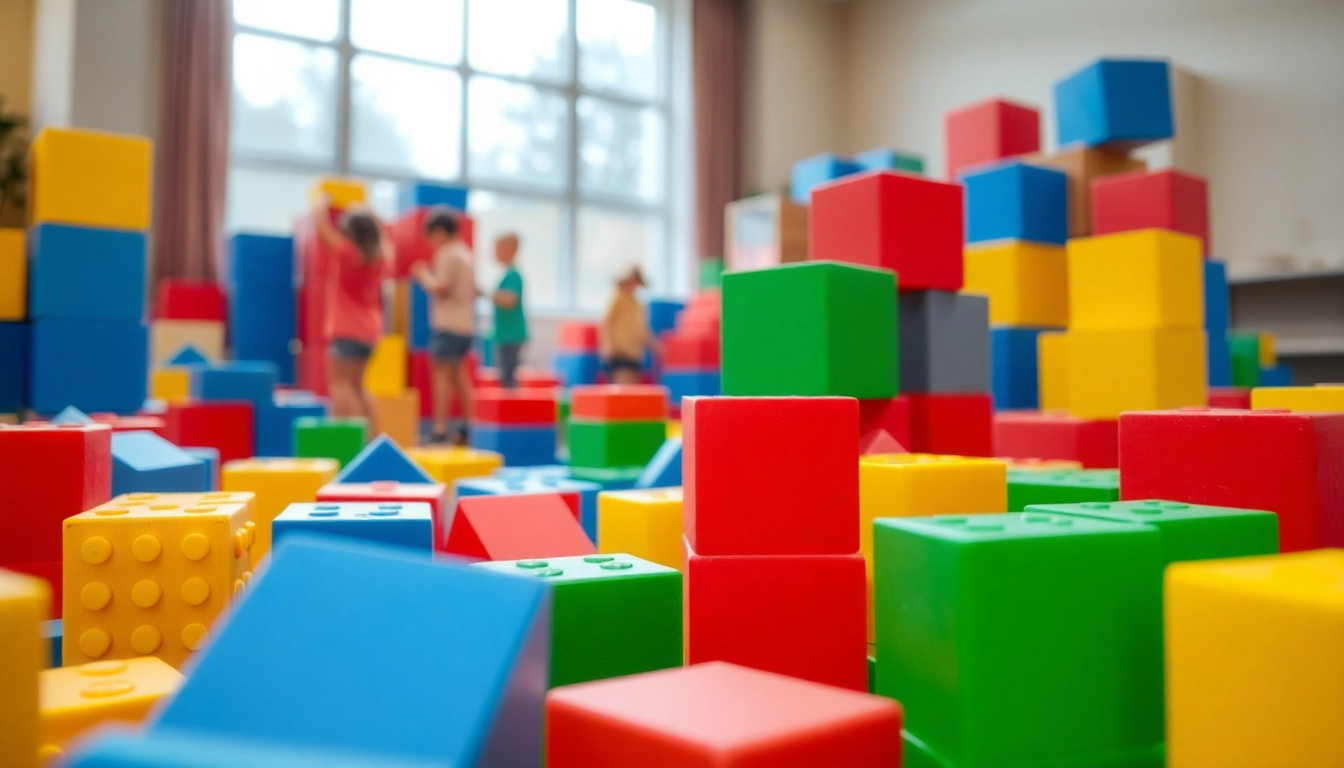
Giant foam building blocks are oversized play materials made from soft, lightweight foam that encourage creative construction and imaginative play in children. These blocks often come in various shapes and sizes, making them versatile tools for creating anything from simple structures to intricate designs. Unlike traditional building blocks made from wood or plastic, foam blocks are designed for safety, preventing injuries during playtime.
Benefits for Children's Development
Engaging with giant foam building blocks offers numerous developmental benefits for children. Notably, these blocks promote the development of fine and gross motor skills as children grasp, lift, and stack them. Additionally, constructing with foam blocks nurtures problem-solving abilities and cognitive skills as kids learn to manage balance and gravity. The open-ended nature of building blocks allows children to express their creativity and imagination freely, which is critical for emotional and social development.
Why Choose Foam Over Other Materials?
Opting for foam building blocks over traditional materials comes with distinct advantages. Foam blocks are considerably lighter than wood or plastic, making them easier for young children to handle and manipulate. Additionally, their soft surfaces minimize the risk of injury, making them ideal for indoor environments. Foam blocks are also often waterproof and resistant to mold, making them suitable for various play scenarios. This functionality adds to their durability, ensuring they maintain their integrity through extensive play.
Choosing the Right Blocks for Your Space
Considerations for Size and Shape
When selecting giant foam building blocks, understanding the size and shape is critical for optimizing the play area. Larger blocks can create sturdy structures, while smaller blocks are perfect for detailed designs. Assessing the available space is equally important; whether it's a dedicated playroom or a small corner in the living room, the right dimensions can facilitate better mobility and use. Ensure there’s enough room for kids to engage in active play while leaving ample space for safe movements.
Safety Factors to Keep in Mind
Safety should be a primary consideration when choosing foam blocks. Check if the foam is non-toxic and free from harmful chemicals to ensure it is safe for children. Additionally, edges should be rounded and the surface soft to reduce the risk of injuries. Ensure the blocks meet relevant safety standards and certifications, as this provides peace of mind about their use during playtime.
Color and Design Preferences
Colors and design can significantly impact a child's play experience. Brightly colored foam blocks are more appealing to young children and can stimulate their imagination and creativity. Consider selecting blocks in a variety of colors to enhance visual learning and encourage pattern recognition. Design flexibility, such as interlocking shapes or themed blocks (e.g., animal shapes), adds an extra layer of fun and engagement.
Play Ideas for Indoor Adventures
Creative Building Challenges
Encourage children to work on specific building challenges to enhance their creativity. For instance, set a goal for them to construct a bridge that can hold a toy car or a tower that reaches a certain height. These playful challenges not only spark creativity but also foster critical thinking as children learn to problem-solve within the parameters of their task.
Incorporating Learning into Play
Foam blocks can also be used to reinforce educational concepts while playing. For instance, children can build structures to learn about shapes, symmetry, or gravity. Use the blocks to teach simple math concepts such as addition or subtraction by counting how many blocks are used in their structures. Incorporating learning into play not only makes education fun but also enriches the child's cognitive development.
Group Activities and Team Building
Giant foam building blocks are perfect for group activities that promote teamwork and collaboration. Organize group projects where children work together to create large structures or themed environments. Such activities can enhance social skills and teach the importance of communication and cooperation. As they navigate differing ideas and approaches, children will develop valuable interpersonal skills that are crucial for their growth.
Maintaining Your Giant Foam Building Blocks
Cleaning and Caring for Foam Blocks
Maintaining the cleanliness and longevity of foam blocks is essential for safe play. To clean them, use mild soap and warm water, gently scrubbing surfaces to remove dirt without damaging the foam. Rinse thoroughly and allow to air dry completely before storage. Avoid using harsh chemicals or abrasive materials that could compromise the block’s integrity or softness.
Storage Solutions for Easy Access
Proper storage of foam blocks can prevent clutter and ensure they remain in good condition. Consider using bins or shelves specifically designated for the blocks to keep them organized. By providing easy access, children can learn to clean up after play, developing responsibility while promoting independence in their playtime.
When to Replace Your Blocks
Monitoring the condition of your foam building blocks is vital to ensure safety and enjoyment. Inspect them regularly for signs of wear, such as tearing or significant dents. If the blocks start showing visible damage or reduced structural integrity, it’s time to consider replacements. Ensuring that the blocks are in the best condition possible leads to safer and more enjoyable play experiences.
FAQs About Giant Foam Building Blocks
What age group are giant foam building blocks suitable for?
Giant foam blocks are generally suitable for children aged 2 and up, promoting safe and imaginative play.
How do I clean and maintain foam building blocks?
Wipe cleaned with mild soap and water, then air dry. Avoid harsh chemicals to maintain softness.
Can I use foam blocks outdoors?
While they are primarily designed for indoor use, some foam blocks can tolerate light outdoor play but should be stored indoors.
Are foam building blocks safe for toddlers?
Yes, foam blocks are lightweight, soft, and free from sharp edges, minimizing injury risks during play.
Where can I purchase giant foam building blocks?
Giant foam building blocks can be found at toy stores, online marketplaces, and specialty educational retailers.
For those looking to explore the opportunities these building materials provide, get the details and ideas for creative play with foam blocks. Investing in these building tools not only enhances play experiences but also contributes significantly to children's development.