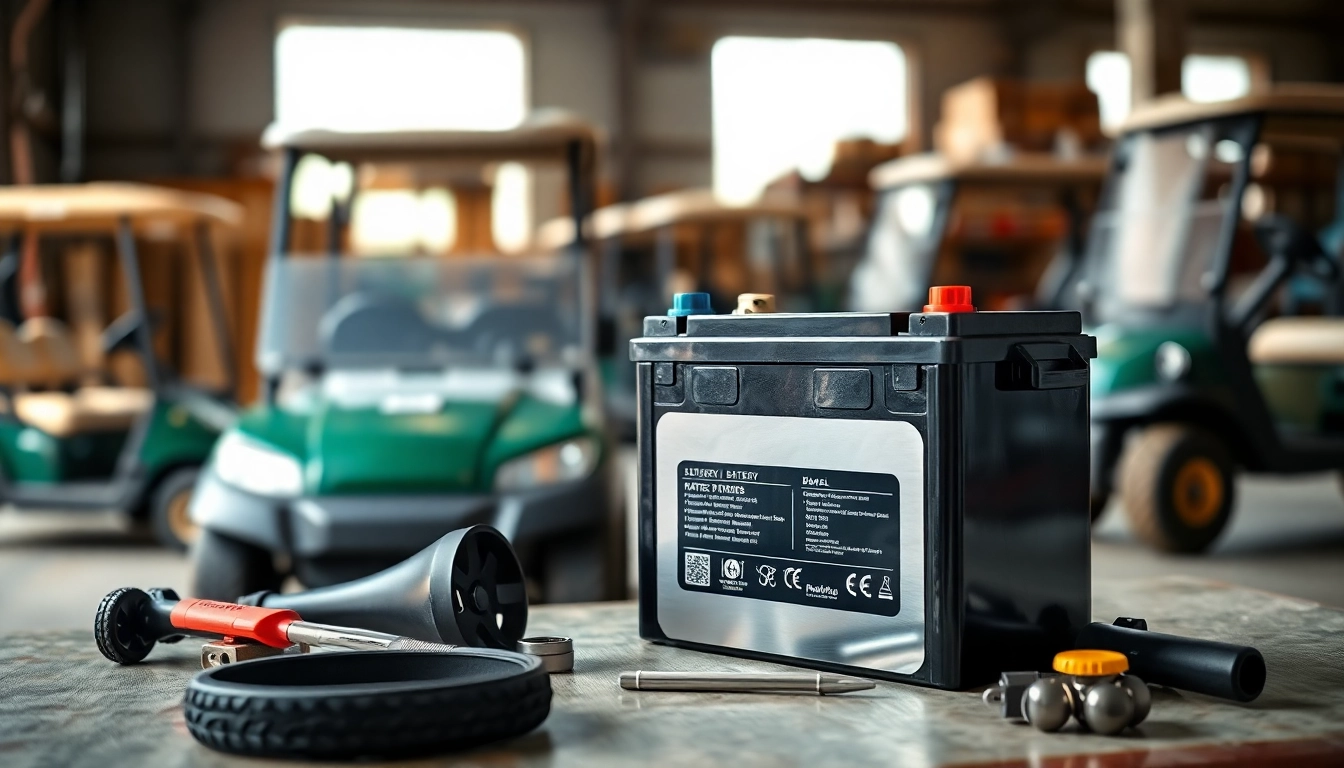
Understanding Lithium Golf Cart Batteries
What are Lithium Golf Cart Batteries?
Lithium golf cart batteries are rechargeable energy storage systems specifically designed to power golf carts, utilizing lithium-ion technology. These batteries offer a substantial upgrade over traditional lead-acid batteries, with a focus on performance, longevity, and efficiency. Unlike lead-acid batteries, lithium batteries are lighter, have a higher energy density, and can deliver consistent power throughout their life cycle, making them an ideal choice for both avid golfers and commercial users. Due to their advanced chemistry, many lithium golf cart batteries can achieve more than 5,000 cycles, significantly outlasting traditional options.
Benefits of Using Lithium Golf Cart Batteries
The transition to lithium golf cart batteries brings a multitude of advantages that cater to user needs:
- Longevity: With a typical lifespan of over 10 years, Vatrer Power lithium golf cart batteries minimize the frequency of replacements.
- Weight: Up to 70% lighter than their lead-acid counterparts, lithium batteries reduce the overall weight of the cart.
- Charging Time: They charge significantly faster, reaching full capacity in a fraction of the time required for lead-acid batteries.
- Performance: Li-ion batteries provide consistent high performance, even when partially charged, unlike lead-acid models that suffer from power drops.
- Environmentally Friendly: With no toxic materials, lithium batteries are safer for both users and the planet.
Common Applications for Lithium Golf Cart Batteries
Lithium golf cart batteries are versatile and can be used in various applications, including:
- Golf Courses: To power fleet carts during rounds.
- Residential Use: For personal golf carts and recreational vehicles.
- Commercial Enterprises: In industrial settings, for utility vehicles.
- Event Venues: For transportation within large recreational events.
Comparing Lithium Golf Cart Batteries to Traditional Batteries
Longevity and Lifespan Differences
One of the most significant differences between lithium and traditional lead-acid batteries is their lifespan. 48V 105Ah Lithium Battery can last 5 to 10 years or more, equating to about 5,000 or more charge cycles, while lead-acid batteries typically last only 3 to 5 years, with around 300 to 1,000 cycles. This longevity translates into less frequent replacements and reduced long-term costs for users.
Charging Time and Efficiency
Charging efficiency is another area where lithium batteries shine. They can usually be fully charged in 2-4 hours compared to lead-acid batteries, which can take 8-12 hours. Additionally, lithium batteries can be charged at any state of discharge without fear of damage, offering more flexibility and convenience.
Cost Analysis over Time
While the upfront cost of lithium golf cart batteries is higher than that of lead-acid options, a comprehensive cost analysis reveals that lithium batteries are more economical over time. The lower frequency of replacements, higher efficiency, and reduced maintenance needs can save users significant amounts over years of use. Additionally, the reduction in charging time and electrical costs further enhances long-term savings.
Choosing the Right Lithium Golf Cart Batteries
Voltage and Capacity Considerations
When selecting lithium golf cart batteries, understanding voltage and capacity is crucial. Most golf carts operate on 36V or 48V systems; hence, selecting a battery that matches these specifications is essential. Capacity, usually measured in amp-hours (Ah), indicates how much energy the battery can store. Higher Ah ratings provide longer driving times between charges, making it essential to consider your usage style and operational demands.
Compatibility with Various Golf Cart Models
It is also vital to ensure that your chosen lithium battery is compatible with your specific golf cart model. Not only does compatibility ensure proper functionality, but it also affects safety and performance. Most manufacturers will provide compatibility lists for their battery options.
Selecting Battery Brands and Warranties
With numerous brands in the market, evaluating the reputation and warranty of battery manufacturers is critical. Warranties can provide peace of mind that covers defects or performance issues, indicating the manufacturer's confidence in their product. A solid warranty typically ranges from 5 to 10 years, underscoring the battery’s long-term reliability.
Installation and Maintenance of Lithium Golf Cart Batteries
Step-by-step Installation Guide
Installing lithium golf cart batteries typically involves the following steps:
- Preparation: Ensure you have all necessary tools and equipment, such as wrenches, screws, and safety gloves.
- Disconnect the Power: Turn off the golf cart and disconnect the negative terminal from the existing battery.
- Remove Old Batteries: Carefully remove the old batteries, taking note of how they are connected.
- Install New Batteries: Place the new lithium batteries in the battery compartment, ensuring they are securely mounted.
- Reconnect: Connect the positive and negative terminals according to the manufacturer's instructions.
- Test: Turn on the golf cart to test functionality and ensure everything is working correctly.
Regular Maintenance Tips for Longevity
Maintaining lithium golf cart batteries is relatively straightforward. Regularly check connections for corrosion, ensure terminals are clean, and perform periodic inspections to identify any issues. Unlike lead-acid batteries, lithium batteries require no water maintenance. It’s also essential to keep the batteries charged to avoid deep discharges that may affect longevity.
Best Practices for Winter Storage
Winter storage requires specific attention to prolong battery life. It’s best to store lithium batteries indoors in a cool, dry place, ideally at around 50% charge. Avoiding temperatures below freezing while charging is important, and always ensure that the batteries are disconnected from the golf cart during extended storage periods.
Frequently Asked Questions About Lithium Golf Cart Batteries
How long do lithium golf cart batteries last?
Lithium golf cart batteries have a lifespan of 5 to 10 years, lasting over 5,000 charge cycles, depending on usage and maintenance.
Can lithium golf cart batteries be charged in cold weather?
Charging lithium golf cart batteries in cold weather is not recommended as it can damage the battery. It’s best to charge them at room temperature.
What is the weight difference between lead-acid and lithium batteries?
Lithium golf cart batteries are typically 50% to 70% lighter than lead-acid batteries, significantly reducing the overall weight of the golf cart.
Are lithium golf cart batteries safe for the environment?
Yes, lithium golf cart batteries are safer for the environment as they contain no toxic materials and are recyclable, minimizing ecological impact.
How do I know if I need to replace my lithium golf cart battery?
Signs that you may need to replace your lithium golf cart battery include reduced run time, difficulty maintaining charge, and visible damage or swelling.